When stiffness makes your first steps feel calculated, a favorite workout requires more recovery than it used to, or an old area of discomfort starts influencing how you move, you want more than vague advice to “take it easy.” SoftWave mobility outcomes can be meaningful for people seeking a non-surgical way to support comfort, movement quality, and an active lifestyle – but the right expectations matter.
SoftWave therapy is not a substitute for a thoughtful medical evaluation, strength training, physical rehabilitation, or appropriate care for an injury. It may, however, be a useful part of a personalized plan for the right person. At Divine Longevity and Wellness, Dr. Arshadi considers your symptoms, health history, movement goals, and the factors that may be contributing to your limitations before recommending treatment.
What SoftWave Therapy Is Designed to Do
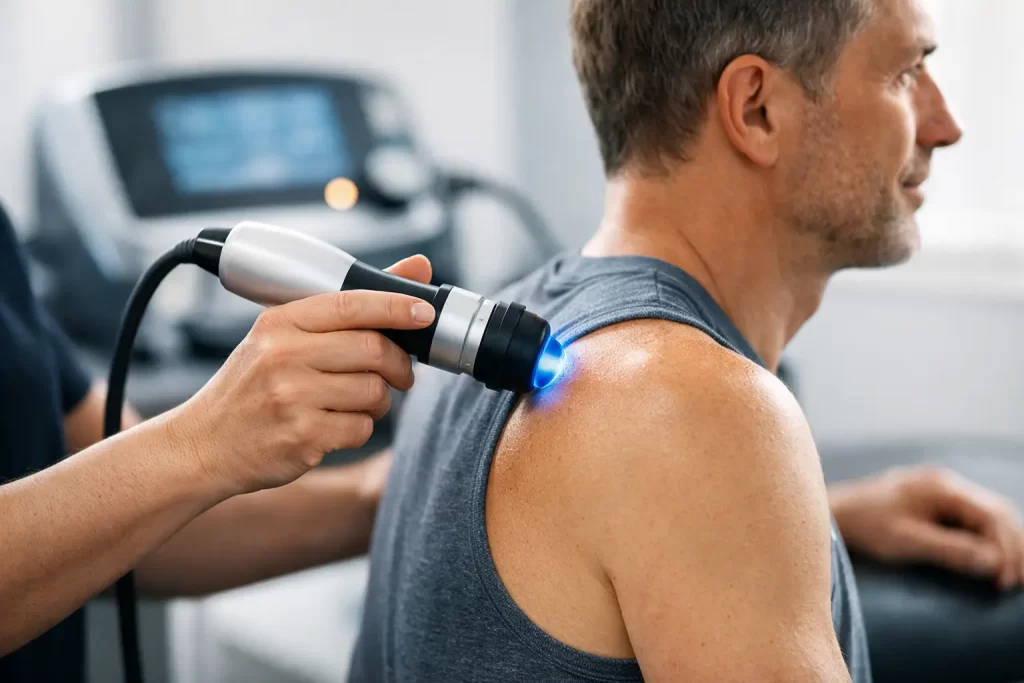
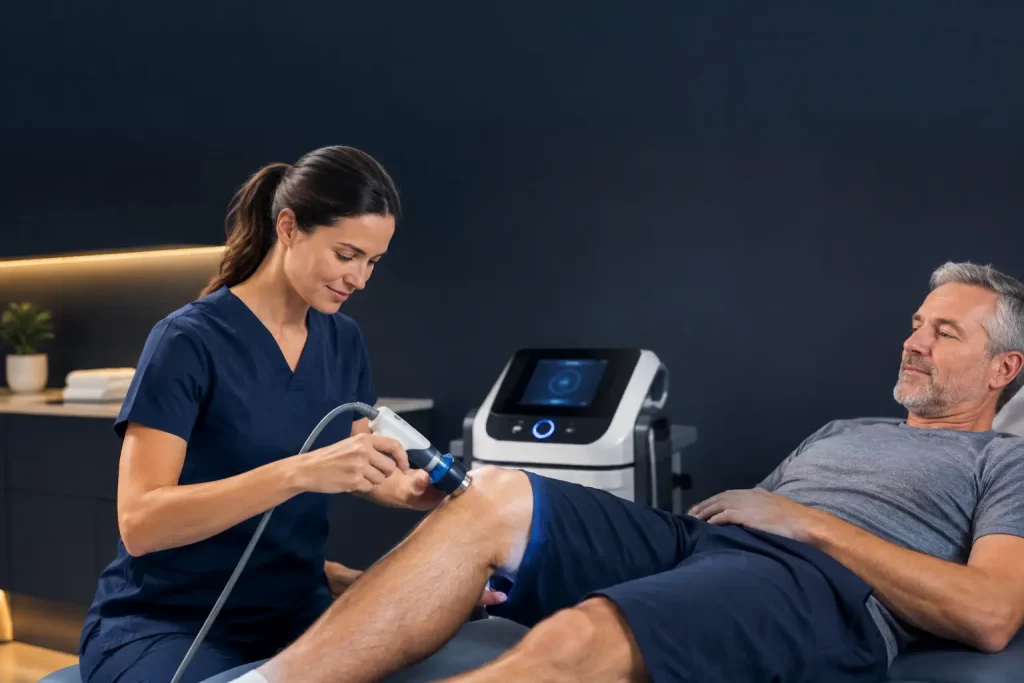
SoftWave therapy uses focused acoustic wave technology delivered to targeted areas of the body. The treatment is commonly used to support the body’s natural healing response in tissues affected by chronic irritation, overuse, or discomfort. During a session, a handheld device delivers pulses through the skin to the treatment area.
Patients often ask whether it is the same as surgery, injections, or a medication. It is none of those. SoftWave is a non-surgical, office-based treatment that does not require downtime in the way a procedure may. That convenience can appeal to busy professionals, active parents, and adults who want to keep moving while pursuing a more complete recovery strategy.
Still, convenience should not be confused with a one-size-fits-all answer. Mobility problems can involve joints, tendons, muscles, nerves, biomechanics, prior injuries, training habits, inflammation, and broader health factors. The value of SoftWave depends on why movement is limited in the first place.
SoftWave Mobility Outcomes Depend on Your Starting Point
The most realistic way to think about SoftWave mobility outcomes is not as a single promised result, but as a potential shift in how your body feels and functions over time. Some people report less discomfort during daily movement, greater ease when getting up from a chair, or better tolerance for walking, golf, exercise, or strength training. Others may notice that a previously guarded movement begins to feel more natural.
For someone whose heel discomfort changes their stride, progress might mean walking through the airport or standing through a work event with less distraction. For an active adult with shoulder tightness, it may mean reaching overhead more comfortably or returning to selected training movements with better confidence. Those are functional improvements, and they tend to matter more than chasing a number on a pain scale alone.
The timeline varies. Some patients notice a change early, while others need a series of sessions and supportive lifestyle changes before they can assess whether treatment is helping. Chronic concerns, significant structural issues, repeated overload, poor recovery, and inconsistent movement habits can all affect the response. No treatment should be presented as a guarantee of restored mobility or permanent relief.
Better Movement Is More Than Less Discomfort
Pain and mobility are related, but they are not identical. You may have less discomfort yet still need to rebuild strength, stability, range of motion, or confidence in a movement. Conversely, an area may feel temporarily sensitive as you increase activity even while your overall function improves.
That is why outcomes should be measured in practical terms. Can you climb stairs with more control? Sit through a long drive with fewer position changes? Return to tennis, lifting, gardening, or weekend walks more consistently? These questions create a clearer picture of progress than simply asking whether a problem has disappeared.
Who May Consider SoftWave for Mobility Support?
SoftWave may be worth discussing if persistent musculoskeletal discomfort is limiting activities you value, particularly when you are looking for a non-surgical option to complement a larger care plan. It is often considered for areas affected by repetitive strain or chronic wear-and-tear patterns, including the shoulder, elbow, hip, knee, foot, and other targeted regions.
The best candidates are not defined by age alone. A 38-year-old runner managing recurring foot discomfort and a 68-year-old who wants to walk, travel, and exercise with greater confidence may have very different needs. What they share is a goal: preserving the ability to move well and participate fully in life.
A consultation is especially valuable if symptoms are new, worsening, severe, associated with weakness or numbness, or affecting your balance. These concerns deserve proper medical attention rather than an assumption that any device-based therapy is appropriate. Dr. Arshadi can help determine whether SoftWave fits your situation, whether another approach should come first, or whether additional evaluation is needed.
What a Treatment Plan May Include
SoftWave works best when it is viewed as part of an intelligent mobility strategy, not a standalone shortcut. Depending on your needs, your plan may address activity modification, progressive strengthening, mobility work, body composition, metabolic health, sleep, nutrition, recovery habits, and treatments for related concerns.
This broader view matters because tissues respond to the environment you create around them. If an irritated area is repeatedly overloaded without enough recovery, treatment alone may have limited impact. If your overall conditioning, movement mechanics, and recovery improve alongside targeted care, you are giving yourself a stronger foundation for durable function.
During treatment, patients typically feel repeated pulses in the targeted area. Sensation can range from mild to intense depending on the location, the settings used, and individual sensitivity. Your provider can adjust the approach to keep the experience appropriate and tolerable. Mild temporary soreness may occur afterward, particularly when a sensitive area is treated.
There may be times when SoftWave is not advised or should be postponed. Your medical history, medications, implanted devices, pregnancy status, active infection, bleeding concerns, and the specific area being treated all need to be considered. This is one reason physician-directed care is important: the recommendation should follow your health profile, not a generic protocol.
How to Get More From Your Mobility Plan
A treatment session is only one part of what happens between appointments. Pay attention to the activities that provoke symptoms, but avoid interpreting every sensation as a sign that you should stop moving completely. The appropriate level of activity depends on your condition and should be individualized.
Consistent sleep, adequate protein and hydration, sensible training progression, and targeted mobility or strengthening exercises can all support your recovery capacity. If weight management or cardiometabolic factors are affecting joint load and energy levels, addressing those factors may also be relevant to your long-term mobility goals.
It helps to define one or two real-world goals before beginning. Perhaps you want to get through a full round of golf, keep up on family trips, resume a fitness routine, or move through your workday without constantly adjusting your posture. Bringing those goals into the conversation allows your plan to stay focused on the life you want to lead.
At Divine Longevity and Wellness in Chesterfield, SoftWave therapy can be considered within a personalized approach to pain management, physical function, and healthy aging. A consultation with Dr. Arshadi gives you the opportunity to discuss what is limiting you, what outcomes are realistic, and how to build a plan that supports stronger movement over time. Your next step does not have to be dramatic – it simply needs to be informed, personal, and aligned with the activities that make you feel most like yourself.