
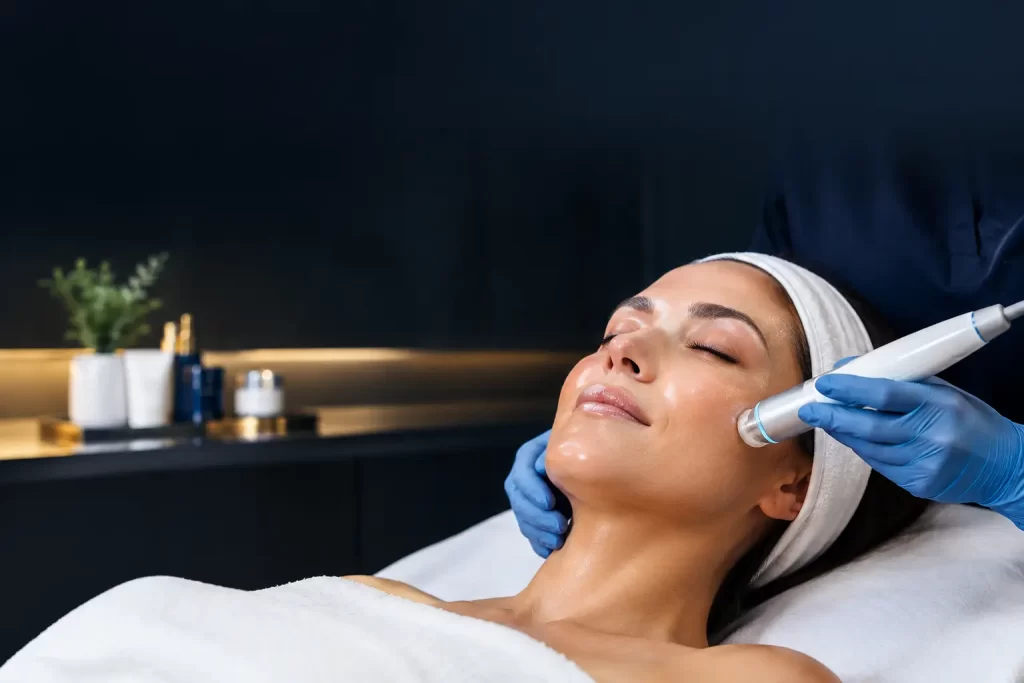
Sun damage rarely shows up all at once. You may first notice makeup settling into fine lines, a few brown spots that seem darker each summer, persistent redness, or skin that no longer reflects light the way it once did. The best treatments for sun damage depend on what is happening beneath the surface – pigment, texture changes, visible vessels, collagen loss, or a combination of all four.
That distinction matters. A topical product may be a smart first step for uneven tone, while deeper lines or rough texture may respond better to a procedure that stimulates remodeling in the skin. The right plan is not about choosing the most aggressive option. It is about matching the treatment to your skin, goals, downtime preferences, and history of sun exposure.
Why Sun Damage Looks Different From Person to Person
Ultraviolet exposure affects more than the visible surface of the skin. Over time, it can contribute to changes in pigment production, collagen and elastin structure, small blood vessels, and the skin’s ability to maintain an even texture. This is why two people with similar outdoor habits may have very different concerns.
Brown spots and uneven tone often reflect excess pigment. Fine lines, crepey texture, and loss of firmness are more closely tied to cumulative changes in collagen. Diffuse redness may involve visible capillaries, while a rough or dull appearance can result from slower cell turnover and surface irregularity. Many adults in the greater St. Louis area have a mix of these concerns after years of driving, golf, gardening, running, or simply living an active life outdoors.
A personalized assessment helps separate what can be addressed with daily skin care from what may benefit from in-office treatment. It also helps set a realistic sequence. Treating pigment before supporting collagen, for example, may make sense for one person but not another.
Best Treatments for Sun Damage by Concern
Medical-grade skin care for pigment and daily repair
Consistent home care is the foundation of every sun-damage plan. Prescription-strength retinoids may help improve cell turnover and support collagen over time, although they can cause dryness, peeling, or irritation when introduced too quickly. Other clinically used ingredients, such as vitamin C, pigment-regulating agents, and carefully selected exfoliants, can help improve the look of discoloration and dullness.
The best formula is not necessarily the one with the longest ingredient list. Sensitive skin, rosacea-prone skin, melasma, and deeper skin tones require thoughtful product selection because irritation can sometimes worsen uneven pigment. Dr. Arshadi can help identify a routine that supports your treatment plan rather than competing with it.
Chemical peels for surface dullness and uneven tone
A professionally selected chemical peel uses controlled exfoliation to refresh the outer layers of the skin. Peels can be useful for mild discoloration, dullness, rough texture, and certain fine lines. They are often appealing if you want visible improvement with limited downtime, though the degree of peeling and recovery varies by formulation and depth.
A series of lighter treatments may be preferable when your goal is gradual refinement. A stronger peel can offer more noticeable resurfacing, but it also requires more downtime and carries a greater risk of prolonged redness or pigment changes in some skin types. This is a clear example of why more intensity is not automatically better.
Laser treatments for targeted pigment, redness, and texture
Laser and light-based treatments can be highly precise options for sun-related discoloration, redness, and textural changes. Different devices work in different ways. Some target visible pigment or blood vessels, while resurfacing lasers create controlled thermal injury that encourages the skin’s natural remodeling process.
For brown spots, a targeted pigment treatment may produce a relatively quick visible change as treated spots temporarily darken and then fade. For fine lines and texture, resurfacing typically works more gradually as collagen remodeling occurs over weeks to months. Depending on the technology and intensity, recovery can range from minimal redness to several days of more noticeable peeling and social downtime.
Laser treatment requires careful planning for every skin tone. Recent tanning, a history of post-inflammatory hyperpigmentation, certain medications, and active skin irritation can all affect timing and treatment choice. The goal is a treatment plan that respects your skin’s biology while moving you toward a clearer, smoother, more even-looking complexion.
Microneedling for collagen support
Microneedling creates controlled microchannels in the skin to stimulate a wound-healing response and support collagen production. It can be a useful option for fine lines, mild texture concerns, enlarged-looking pores, and overall skin quality. Most people experience temporary redness, and results tend to build with a series of treatments rather than appearing overnight.
Microneedling may be a good fit when you want collagen-focused improvement with less downtime than more aggressive resurfacing. It may not be the first choice for distinct sun spots or significant vascular redness, which is why a combination approach is often more effective than relying on a single modality.
Wrinkle relaxers and fillers for lines caused by more than sun
Sun exposure can make lines more visible, but not every wrinkle is solely a sun-damage issue. Repetitive facial movement, volume shifts, and changes in skin structure all contribute. Wrinkle relaxers can soften the appearance of movement-related lines, while dermal fillers may restore support in carefully selected areas.
Neither option removes sun damage itself. However, when used thoughtfully alongside skin-rejuvenation treatments, they can help create a more rested and balanced result. Natural-looking outcomes depend on restraint, facial anatomy, and a plan that prioritizes your features rather than changing them.
What a Personalized Treatment Plan Can Look Like
The most effective approach often combines daily protection, corrective skin care, and in-office treatments chosen for your highest-priority concern. Someone with scattered brown spots and minimal texture change may begin with pigment-focused treatment and a focused home regimen. Someone concerned about roughness, fine lines, and laxity may benefit more from a collagen-building strategy with resurfacing or microneedling.
For more complex concerns, treatment may be staged. First, calm inflammation and establish a tolerable skin-care routine. Next, address pigment or redness. Then consider collagen-focused procedures for texture and fine lines. This pacing can make the process more comfortable and may help reduce unnecessary irritation.
Your lifestyle also belongs in the conversation. If you have a major event approaching, substantial downtime may not be practical. If you spend significant time outdoors, timing treatments around travel, sports, and sun exposure is wise. The best plan is one you can follow consistently.
Prevention Protects Your Investment
No aesthetic treatment can make ongoing ultraviolet exposure irrelevant. Broad-spectrum sunscreen, protective clothing, hats, sunglasses, and intentional shade are essential for maintaining progress. Daily sunscreen is not only for beach days. Incidental exposure through car windows, outdoor errands, and time near reflective surfaces adds up.
Use a broad-spectrum sunscreen with SPF 30 or higher every morning, and reapply when you are outdoors for extended periods. If you are using a retinoid, exfoliant, undergoing a peel, or planning laser treatment, sun protection becomes even more essential because the skin may be more reactive during the treatment process.
It is also wise to pay attention to spots that are new, changing, bleeding, persistently scaly, or otherwise concerning. Cosmetic sun damage and medically significant skin changes are not the same thing, and an appropriate medical evaluation should come first when there is uncertainty.
Choose Improvement That Looks Like You
The goal of treating sun damage is not to erase every freckle or pursue an artificial finish. It is to help your skin look clearer, smoother, healthier, and more aligned with how energized you feel. At Divine Longevity and Wellness in Chesterfield, Dr. Arshadi develops physician-directed treatment strategies around your skin, schedule, and desired level of correction.
If sun spots, redness, fine lines, or a dull texture are affecting your confidence, a personalized consultation can clarify which options are worth your time and investment. Thoughtful treatment and consistent protection can help you maintain skin that looks refreshed, not overdone.