Persistent pain can change more than your workout routine. It can limit sleep, affect your focus, reduce mobility, and make the activities that keep you feeling like yourself feel out of reach. Softwave therapy is a non-surgical option designed to support the body’s healing response, relieve pain, and help you move forward with greater confidence.
What Is Softwave Therapy?
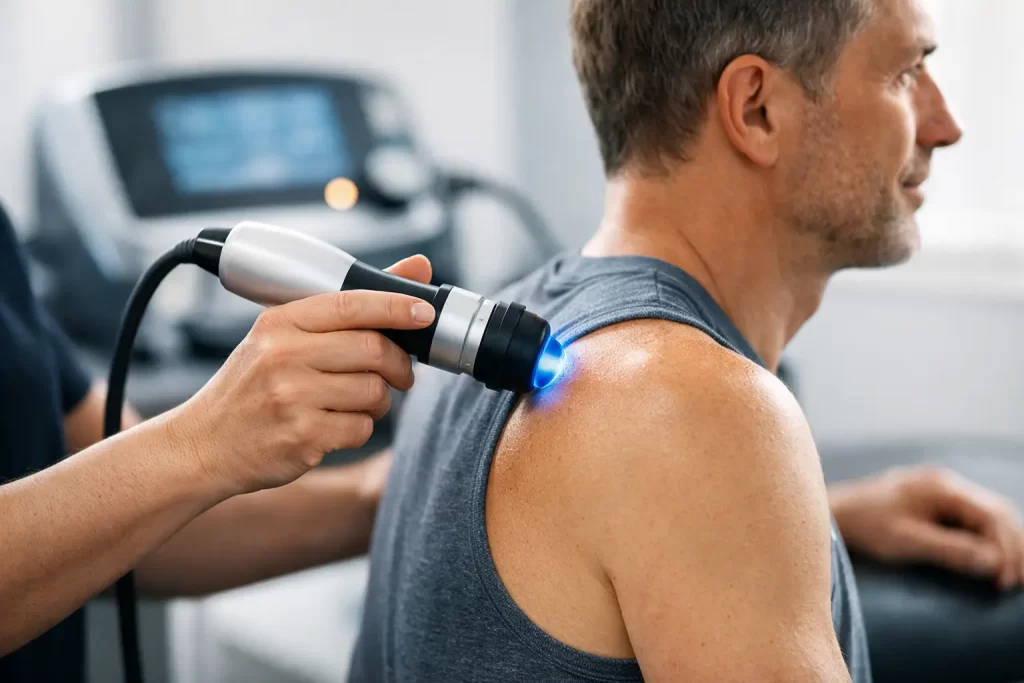
Softwave therapy uses targeted acoustic waves to stimulate biological activity in tissues that may be slow to heal or chronically irritated. Despite the name, it is not an electrical shock. During treatment, a clinician applies a handheld device to the skin over the area of concern, delivering acoustic energy into the underlying tissue.
That energy can support local circulation and encourage the body’s natural repair processes. For patients dealing with musculoskeletal discomfort, reduced mobility, or stubborn soft-tissue concerns, this approach may help reduce pain and improve function without surgery or a lengthy recovery period.
At Divine Longevity and Wellness, treatment is approached as part of a personalized care plan. Your symptoms, activity level, health history, goals, and response to treatment all matter. The goal is not simply to chase temporary relief. It is to identify a strategy that supports stronger movement, better recovery, and a higher quality of life.
How Softwave Supports Healing and Performance
Healthy tissue depends on adequate blood flow, cellular communication, and the body’s ability to repair itself after stress or injury. When pain becomes chronic, those processes may not be keeping pace with the demands placed on the body.
Softwave therapy is intended to stimulate tissue at a deeper level than many surface-level modalities. The acoustic waves create mechanical stimulation in the targeted area, which may promote circulation and activate pathways involved in tissue remodeling and recovery. Many patients seek treatment when they want a non-invasive option that can complement rehabilitation, mobility work, strength training, or physician-directed regenerative care.
Results vary. Some people notice a change in comfort or movement after an early session, while others improve more gradually over a recommended series. The right protocol depends on the concern being treated, how long it has been present, and whether other factors, such as training load, inflammation, sleep, nutrition, or hormone health, are affecting recovery.
Conditions That May Benefit From Softwave
Softwave therapy is often considered for persistent soft-tissue and joint-related discomfort, especially when conventional measures have not delivered enough improvement. It may be used to support care for issues such as plantar fasciitis, tendon pain, shoulder discomfort, knee pain, hip pain, back pain, and sports-related overuse concerns.
It can also be a valuable option for active adults who want to recover more effectively and maintain performance without stepping away from the activities they enjoy. For some patients, the goal is getting back to running, golf, pickleball, lifting, or long workdays without the constant distraction of pain. For others, it is restoring mobility and confidence after an injury or a period of inactivity.
Softwave is not a replacement for a proper diagnosis. Pain can have many causes, including structural injury, nerve involvement, arthritis, circulation issues, or systemic health factors. A clinical evaluation helps determine whether acoustic wave therapy is appropriate or whether another treatment path is more likely to deliver the outcome you want.
What a Softwave Session Feels Like
A session is performed in the office and typically requires no anesthesia, incisions, or downtime. Your clinician applies gel to the treatment area, then moves the Softwave applicator over the skin. You may feel rhythmic tapping, pulsing, or pressure as the acoustic waves are delivered.
The sensation can be intense in tender areas, but treatment is adjusted to your tolerance and clinical needs. Most patients return to normal daily activities immediately afterward. Depending on your treatment plan, you may be encouraged to stay hydrated, avoid overloading the treated area for a short period, and follow any mobility or recovery guidance provided by your clinician.
A series of treatments is often recommended because tissue recovery is a process, not a single event. Your provider will explain the anticipated number of sessions, how often they should be scheduled, and what progress markers to watch for.
Is Softwave Right for You?
Softwave therapy can be an appealing choice for people who want to address pain and recovery without surgery, extended downtime, or a medication-first approach. It may be especially useful when discomfort is affecting your training, work, sleep, or ability to stay active.
However, treatment is not right for every person or every condition. Certain medical histories, implanted devices, pregnancy, active infection, blood-clotting concerns, or suspected acute injuries may require a different approach. A physician-directed consultation provides the clarity needed to make a safe, informed decision.
Pain does not have to become the new baseline. When your body is asking for more support, a focused plan that combines clinical evaluation, advanced technology, and ongoing guidance can help you rebuild momentum and get back to doing more of what makes you feel strong.