Persistent pain has a way of shrinking your world. The workout gets modified, the morning walk becomes uncomfortable, and the activity you enjoy starts to feel like a risk. Shockwave Therapy is a non-surgical option designed to support the body’s healing response, reduce chronic musculoskeletal pain, and help you get back to moving with confidence.
At Divine Longevity and Wellness, treatment decisions are never one-size-fits-all. We look at the source of discomfort, your activity level, health history, and goals to determine whether SoftWave shockwave therapy belongs in a personalized plan for recovery and performance.
What Shockwave Therapy Does
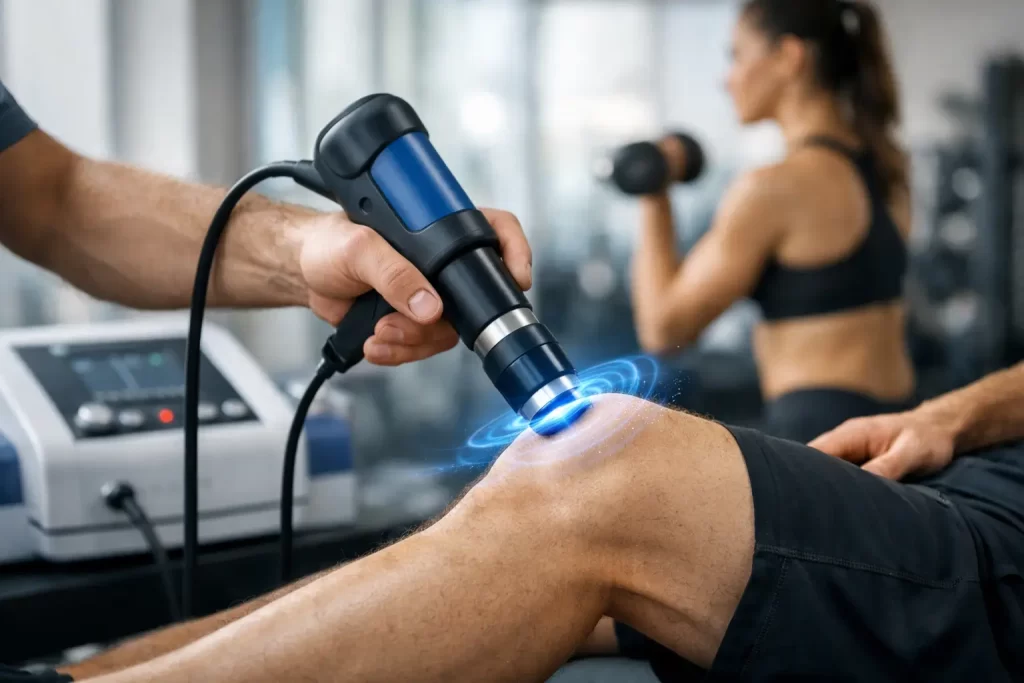
Shockwave therapy uses acoustic waves delivered through the skin to stimulate targeted tissue. These waves create controlled mechanical signals that may increase local circulation, encourage cellular activity, and support the body’s natural repair processes. It is not surgery, injections, or a procedure that requires downtime.
For many patients, the goal is straightforward: address stubborn pain that has not improved enough with rest, activity changes, stretching, or other conservative approaches. Rather than masking discomfort alone, shockwave therapy is intended to support healthier tissue function over time.
Research and clinical use are especially established in certain chronic tendon-related conditions. That said, outcomes depend on the diagnosis, the chronicity of the issue, the condition of the tissue, and whether the treatment is paired with the right movement and recovery strategy.
Conditions That May Respond to Shockwave Therapy
SoftWave technology may be considered for a range of musculoskeletal concerns, particularly when pain has lingered and is limiting daily life or training. Common areas of focus include plantar fasciitis and heel pain, Achilles tendon discomfort, tennis elbow, shoulder pain, knee pain, hip discomfort, and other tendon or soft-tissue concerns.
It can also be a valuable option for active adults who want to protect performance without immediately stepping away from the activities that matter to them. A runner dealing with recurring heel pain has different needs than a professional whose shoulder pain affects sleep and workouts. The treatment plan should reflect that difference.
Shockwave therapy is not a substitute for an accurate diagnosis. Pain can come from a tendon, joint, nerve, muscle, or referred source, and each requires a different approach. Physician-directed evaluation helps ensure treatment is matched to the problem instead of simply chasing the painful area.
What a SoftWave Session Feels Like
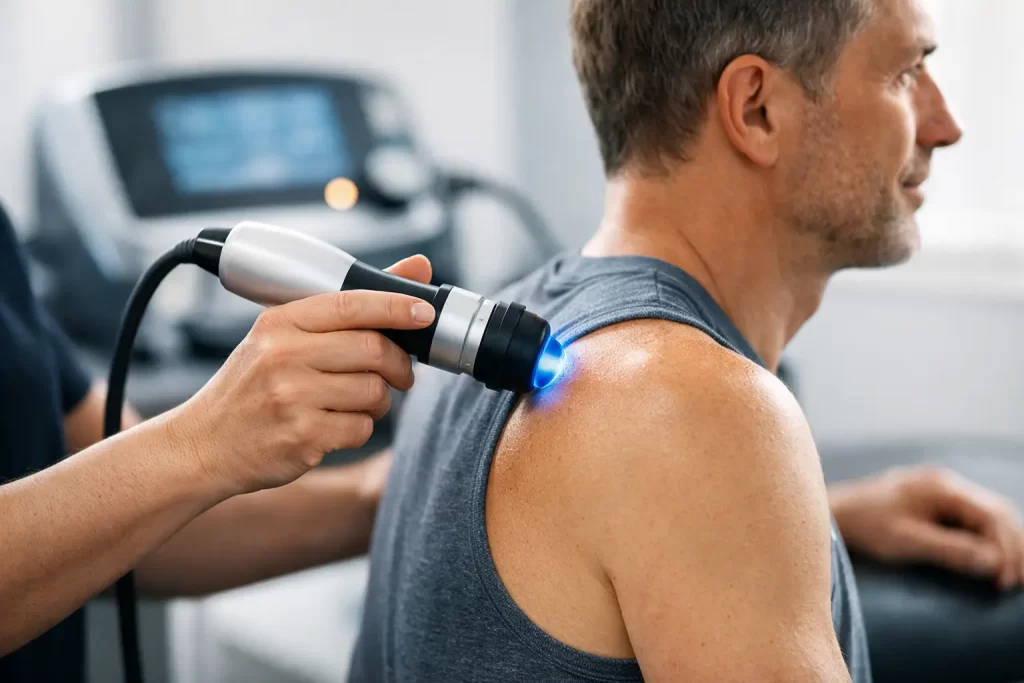
A session begins with identifying the treatment area and applying gel to help transmit the acoustic waves. Your provider moves the applicator across the targeted tissue, adjusting the treatment based on your comfort and clinical goals.
Most sessions are brief, often lasting around 10 to 20 minutes depending on the area being treated. Patients commonly describe a tapping or pulsing sensation. Some tenderness can occur during treatment, especially around chronically sensitive tissue, but intensity can be adjusted.
There is typically no anesthesia and no required recovery period. Many people return to normal daily activities afterward. Your provider may recommend temporary adjustments to intense exercise, depending on the area treated and the nature of your injury.
How Many Treatments Will You Need?
Shockwave therapy works through a series, not a single appointment. Many plans involve multiple sessions spaced over several weeks, giving the body time to respond between treatments. Some patients notice a shift early in the process, while others experience more gradual improvement as tissue recovery progresses.
The right number of sessions depends on several factors: how long symptoms have been present, the severity of the condition, your overall health, and how consistently you follow the rest of the care plan. Strengthening, mobility work, footwear changes, recovery habits, or other therapies may be recommended alongside treatment to create more durable results.
Who Should Use Caution?
Shockwave therapy is not appropriate for every person or every painful condition. Your clinician should know about pregnancy, blood-clotting disorders, active infection, cancer in the treatment area, implanted devices, anticoagulant use, and significant loss of sensation before treatment begins. Areas over open wounds or certain growth plates also require special consideration.
A thoughtful consultation matters because the safest plan is not always the fastest plan. If your symptoms point to a fracture, significant tear, vascular concern, or nerve-related condition, additional evaluation may be needed before moving forward.
Pain should not dictate the size of your life. If a stubborn injury or recurring discomfort is holding back your training, work, sleep, or confidence, a personalized evaluation can clarify whether SoftWave shockwave therapy is a smart next step for your recovery.