
A change in desire, comfort, arousal, or sexual performance can feel deeply personal, yet it is often connected to broader aspects of health that deserve thoughtful attention. Sexual Health and Wellness is not about chasing a one-size-fits-all solution. It is about understanding what has changed, what may be contributing, and what can help you feel more comfortable, confident, and connected.
For many adults, the hardest part is not the symptom itself. It is feeling dismissed, embarrassed, or told that it is simply a normal part of getting older. While sexual changes can become more common with age, they are not something you have to ignore or navigate alone.
Sexual Health and Wellness Is Whole-Body Health
Sexual function is influenced by far more than a single hormone level. Energy, mood, sleep quality, stress, relationship dynamics, medications, circulation, metabolic health, physical activity, pelvic health, and medical history can all play a role.
For women, concerns may include vaginal dryness, discomfort during intimacy, lower desire, changes in arousal, or shifts related to perimenopause and menopause. For men, common concerns include reduced libido, changes in erectile function, lower stamina, or a decline in confidence. These experiences can overlap with fatigue, weight changes, poor sleep, brain fog, or a general sense that you no longer feel like yourself.
That does not mean every concern is caused by hormones, nor does one symptom confirm a specific diagnosis. It does mean a complete evaluation can be more useful than a rushed conversation or a generic recommendation.
Start With the Right Questions
A personalized sexual wellness plan begins with listening. When did the change begin? Has it been gradual or sudden? Are there changes in sleep, mood, energy, weight, stress, or medication use? Are there underlying health conditions that need to be considered?
At Divine Longevity and Wellness, Dr. Arshadi considers sexual wellness within the context of your broader health and goals. Depending on your history and concerns, this may include a clinical consultation, appropriate laboratory testing, medication review, and an assessment of lifestyle factors that affect performance and recovery.
This approach matters because treatment should fit the person, not just the symptom. Someone whose desire has changed during a demanding season at work may need a different strategy than someone experiencing menopausal discomfort, cardiometabolic risk factors, medication-related changes, or persistent fatigue.
What Personalized Care May Include
Recommendations vary, but care often combines practical foundations with medically guided options when appropriate. Sleep, nutrition, movement, stress management, hydration, and alcohol use can influence energy, mood, circulation, and sexual function. Improving those fundamentals may support progress, but lifestyle changes are not a substitute for evaluating persistent or concerning symptoms.
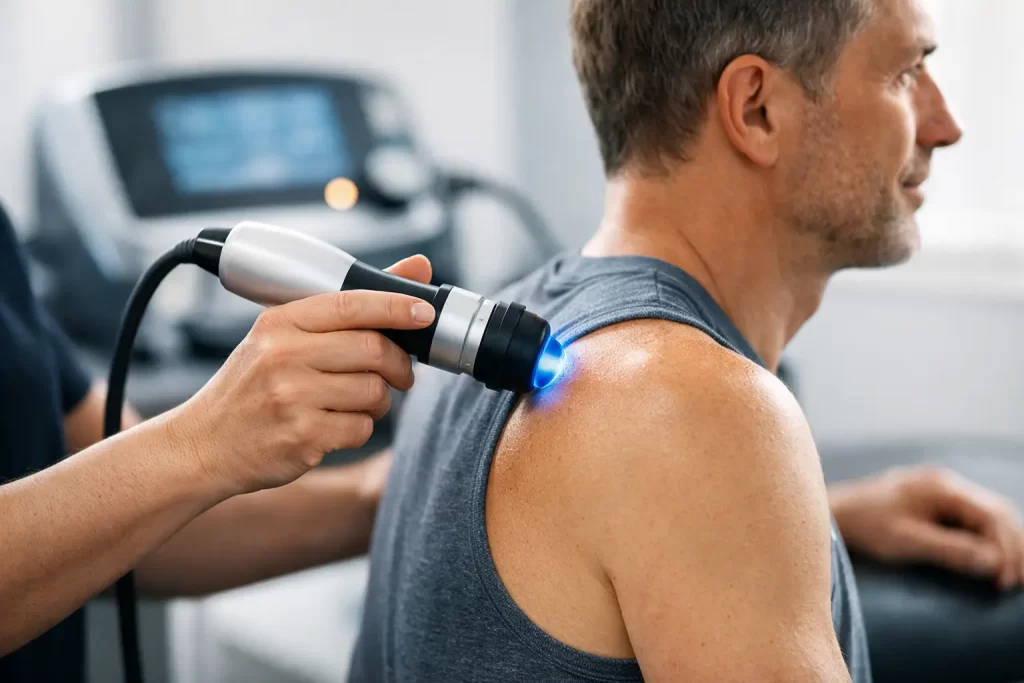
For eligible patients, hormone optimization or other prescription therapies may be considered based on symptoms, medical history, examination, and laboratory findings. Certain regenerative or energy-based treatments may also be discussed for specific sexual wellness concerns. The right option depends on the concern being treated, your health profile, and a clear conversation about potential benefits, limitations, and risks.
The goal is not to pursue every available treatment. It is to create a focused plan that makes sense for your body, preferences, and timeline, then adjust it based on how you feel and objective follow-up when needed.
Confidence Is a Meaningful Outcome
Sexual wellness is often reduced to a narrow conversation about performance. In reality, it can affect self-image, intimacy, relationships, and how fully you feel present in your own life. Restoring comfort or addressing a frustrating change may improve more than one aspect of well-being.
Still, realistic expectations matter. Results differ from person to person, and progress may take time. A quality care plan does not promise a quick fix. It gives you clear information, appropriate medical oversight, and support as your needs evolve.
When to Seek Medical Evaluation Promptly
Do not wait on a wellness consultation if you have chest pain or shortness of breath with sexual activity, sudden severe pelvic or testicular pain, unexplained genital bleeding, new sores or lesions, fever, or a sudden change in sexual function alongside other concerning symptoms. These concerns may require timely evaluation through an appropriate medical setting.
For ongoing changes that affect your comfort, confidence, or relationship, a private, physician-directed conversation can be a productive next step. You deserve care that takes the concern seriously, looks beyond surface-level answers, and helps you make informed decisions about your health.