
You may be close to your goal weight yet still feel distracted by a stubborn area that does not reflect the work you put into your health. The question of body contouring versus liposuction options often comes down to more than fat reduction. It is about how much change you want, how much downtime fits your life, the quality of your skin, and whether a non-surgical approach can realistically meet your expectations.
Both paths can have a role in an aesthetic plan. They are not interchangeable, and neither is automatically the “better” answer. The most satisfying results begin with an honest assessment of your anatomy, health history, lifestyle, and the outcome you have in mind.
Body Contouring Versus Liposuction Options: The Core Difference
Liposuction is a surgical procedure that removes fat cells from a specific area using a thin tube called a cannula. It is designed for more noticeable reshaping in areas such as the abdomen, flanks, thighs, upper arms, back, or under the chin. Because it is surgery, liposuction involves anesthesia, incisions, compression garments, bruising and swelling, and a recovery period that requires planning.
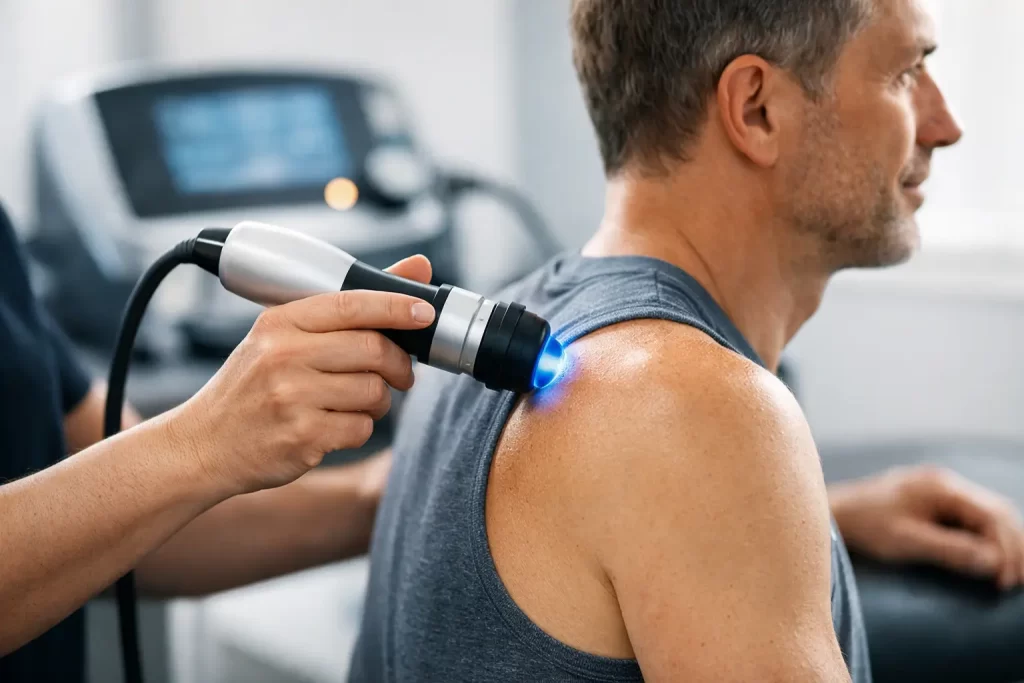
Non-surgical body contouring uses energy-based or other aesthetic technologies to address localized fat and, in some cases, support skin tightening. Depending on the treatment selected, the technology may use controlled cooling, heat, radiofrequency, electromagnetic stimulation, or other mechanisms. Treatments are performed without surgical incisions, and patients usually return to many normal activities quickly.
The practical distinction is straightforward: liposuction generally offers a more immediate and substantial degree of contour change, while non-surgical body contouring prioritizes convenience, gradual improvement, and minimal interruption to daily life. Your best option depends on the degree of correction you want and what you are willing to take on to achieve it.
What Each Option Can and Cannot Address
A body contouring treatment is not a weight-loss program, and liposuction is not a substitute for metabolic health, nutrition, strength training, or sustainable weight management. Both approaches are typically best for people who are near a stable weight and want to improve a specific proportion or contour.
Non-surgical treatment may be a strong fit when you have a modest, pinchable area of fat and want improvement without surgery. It can be appealing for busy professionals, parents, and active adults who do not want to step away from work, travel, or training for an extended recovery. Results develop over time as the body responds to treatment, so patience matters.
Liposuction may be considered when the area is larger, the desired change is more dramatic, or a non-surgical approach is unlikely to create the level of definition you want. It can reduce localized fat more directly, but the visible result still evolves as swelling resolves. Surgical recovery is a meaningful trade-off, not a minor detail.
Neither option reliably corrects significant loose skin. If skin elasticity has changed after major weight loss, pregnancy, or aging, removing fat alone may not produce a smooth, tight appearance. Cellulite, stretch marks, muscle separation, and visceral fat – the fat located deeper around internal organs – are also separate concerns that require a different conversation.
Skin Quality Changes the Recommendation
Skin is often the deciding factor patients do not expect. When skin has good elasticity, it may adapt more favorably as volume is reduced. When it is thin, lax, or heavily sun-damaged, reducing fat can sometimes make looseness more visible.
This is why an experienced evaluation should look beyond the number on the scale or the size of the area. The thickness of the tissue, muscle tone, prior procedures, scars, and skin quality all affect what is realistic. In some cases, a carefully selected non-surgical plan focused on gradual refinement makes more sense than pursuing a larger change. In others, surgery may better match the goal.
Recovery: The Trade-Off Many People Underestimate
Downtime is one of the clearest differences between these options. Non-surgical body contouring is often performed during a busy week because treatment sessions generally do not require anesthesia or surgical recovery. Temporary tenderness, redness, swelling, numbness, or sensitivity may occur, depending on the technology and area treated. Most patients can resume routine activities promptly, though individualized aftercare still matters.
Liposuction requires more preparation and more recovery. You may need to adjust your work schedule, exercise routine, social plans, and travel. Soreness, bruising, swelling, fluid drainage, and the use of compression garments are common parts of the healing process. More strenuous activity is typically restricted for a period determined by the surgical team.
For some people, that recovery is worthwhile because they prefer a larger contour change in a single surgical event. For others, avoiding anesthesia, incisions, and extended downtime is a higher priority. There is no universally right trade-off. The right choice is the one that aligns with your goals and your real life, not just the result you saw in a before-and-after photo.
How Results Tend to Look Over Time
With non-surgical body contouring, change is usually gradual. Treatment may be delivered in a series, and the timing of visible improvement varies by technology, treated area, and individual response. This gradual process can be a benefit for patients who want a natural-looking transition rather than an abrupt change.
Liposuction creates an immediate reduction in the treated fat layer, but the final contour is not visible right away. Swelling can temporarily obscure the result, and healing takes time. It is also possible to have unevenness, contour irregularities, asymmetry, or changes in sensation. As with any procedure, risks should be reviewed carefully before moving forward.
Fat cells removed through liposuction are gone from the treated area, while non-surgical treatments are intended to reduce the fat cells they target. Still, neither approach makes future weight changes irrelevant. Remaining fat cells can enlarge with weight gain, and untreated areas can change as well. A stable routine that supports muscle, nutrition, sleep, and metabolic health helps protect the investment you make in your appearance.
Your Health Picture Matters More Than a Single Area
A stubborn midsection or change in body composition can feel purely cosmetic, but it may also intersect with sleep quality, stress, medications, hormonal transitions, activity levels, and changes in metabolism. That does not mean every concern has a medical cause. It means a thoughtful plan should avoid treating the body as a collection of disconnected problem areas.
At Divine Longevity and Wellness, Dr. Arshadi takes a physician-directed approach to evaluating your aesthetic goals in the context of your overall health and performance. For some patients, a non-surgical contouring plan pairs naturally with medically supervised weight management, fitness-focused lifestyle strategies, or attention to factors that may affect body composition. For others, the aesthetic concern is localized and can be addressed more directly.
A good consultation should include a review of your medical history, medications and supplements, prior procedures, weight stability, skin quality, and goals. It should also cover what you are willing to do for recovery, how soon you hope to see a change, and whether you want refinement or a more substantial reshaping.
Choosing Between Body Contouring and Liposuction
If you want to avoid surgery and can be satisfied with a more gradual, measured improvement, non-surgical body contouring may be worth considering. If you want a larger reduction in a defined area and accept the commitments of surgery and recovery, liposuction may be more aligned with your expectations.
Be cautious of any plan that treats a treatment name as the answer. The best choice is not determined by the newest device, a social media trend, or what worked for someone else. It comes from matching the treatment to your tissue, timeline, health profile, and definition of success.
If you are considering body contouring in Chesterfield or the greater St. Louis area, a personalized consultation can bring clarity before you commit time or resources. The goal is not to chase a different body. It is to make informed, confident choices that help you feel more comfortable, capable, and at home in your own.