You reached a weight-loss milestone, yet certain areas still do not reflect the work you have put in. A lower abdomen that feels soft, flanks that resist change, or less definition through the arms and thighs can be frustrating when your nutrition, movement, and commitment are already strong. Body contouring after weight loss is not about chasing perfection. It is about evaluating what remains, understanding why it remains, and choosing an approach that supports a stronger, more confident next phase.
At Divine Longevity and Wellness in Chesterfield, the conversation starts with your full picture: your weight-loss history, current health, body composition, lifestyle, skin quality, and goals. That matters because the treatment that makes sense for one person may not be the right fit for another.
Why Your Body May Look Different After Weight Loss
Weight loss changes more than the number on a scale. As fat stores decrease, the skin and underlying tissues have to adapt to a new body shape. How well they do so can depend on your age, genetics, how much weight you lost, how quickly it occurred, pregnancy history, sun exposure, smoking history, hydration, nutrition, and the quality of your muscle tissue.
Some people are primarily dealing with localized areas of fat that remain despite a healthy routine. Others notice reduced muscle tone or a less defined silhouette. For many, the main concern is skin laxity, which can occur when the skin does not fully contract after a larger or faster change in weight. These concerns can overlap, but they are not the same problem. A treatment aimed at muscle stimulation will not remove significant excess skin, and a treatment designed to address a small fatty pocket may not create the change you want if skin quality is the bigger factor.
This is why a thoughtful evaluation is more useful than choosing a treatment based on a photo, a trend, or a friend’s experience.
When Body Contouring After Weight Loss Makes Sense
The best time to consider body contouring after weight loss is usually when your weight has been relatively stable and your habits are sustainable. You do not need to wait for some mythical “perfect” weight, but ongoing large fluctuations can make it harder to evaluate your baseline and maintain the appearance you achieve.
Body contouring is generally best viewed as a refinement strategy, not a substitute for a weight-management plan. If your priority is continued fat loss, improving metabolic health, or building a consistent nutrition and resistance-training routine, those goals may come first. When you have built that foundation, targeted aesthetic care can help address areas that remain out of proportion with your effort.
A consultation with Dr. Arshadi can also consider factors that influence how you feel and look during this transition, including sleep, protein intake, exercise recovery, medications, metabolic markers, and hormonal symptoms when clinically appropriate. The goal is not to turn every aesthetic concern into a medical issue. It is to avoid treating the body as though one isolated procedure tells the entire story.
Start by Identifying the Concern You Want to Change
Clear goals lead to better treatment decisions. Before discussing options, it helps to describe the concern in practical terms. Are you bothered by a pinchable area of fat? Is the issue a soft appearance despite regular workouts? Does clothing fit differently because of loose skin? Are you looking for improved definition in your abdomen, buttocks, arms, thighs, or flanks?
Localized Fat
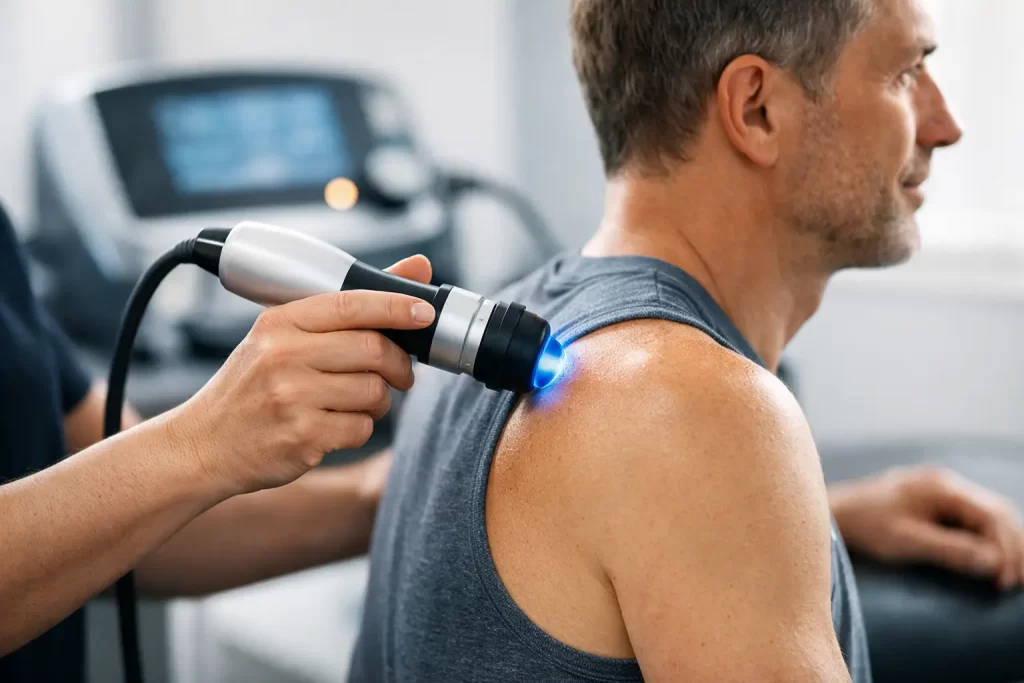
Localized fat is the fat that may persist in specific areas even after meaningful weight loss. Non-surgical contouring technologies may be considered for appropriate candidates who are near their goal weight and want targeted improvement rather than a dramatic reduction in overall body size.
Results develop gradually, and changes are typically more subtle than surgical procedures. That trade-off is often appealing to people who prefer no incisions, less disruption to their schedule, and a natural-looking progression. It also means expectations need to be realistic. A non-surgical treatment is not designed to produce surgical-level correction.
Muscle Tone and Definition
Weight loss can reveal shape, but it does not automatically build muscle. If the area looks flatter or less firm than you expected, muscle-focused body contouring may be part of the conversation. These treatments can complement a consistent strength-training program by supporting muscle engagement and visible definition in selected areas.
The strongest long-term strategy still includes movement, adequate protein, recovery, and a training plan you can maintain. Technology can support your effort, but it should fit into your overall plan rather than replace it.
Skin Laxity
Skin quality is often the most overlooked part of the post-weight-loss picture. Mild laxity may respond differently than moderate or significant excess skin, and results vary based on the area being treated and your individual tissue characteristics.
Non-surgical options may help improve the appearance of skin quality for some candidates, but they cannot remove substantial amounts of excess skin. An honest assessment is essential here. The right plan may involve setting a modest goal, combining approaches over time, or recognizing that a particular concern may not be suited to non-surgical contouring.
What a Personalized Body Contouring Plan Should Include
A premium experience is not simply a treatment performed in a polished setting. It is a plan that respects your time, your health, and the fact that your goals may evolve. At Divine Longevity and Wellness, physician-directed care means your recommendations can be informed by more than the area you want to treat.
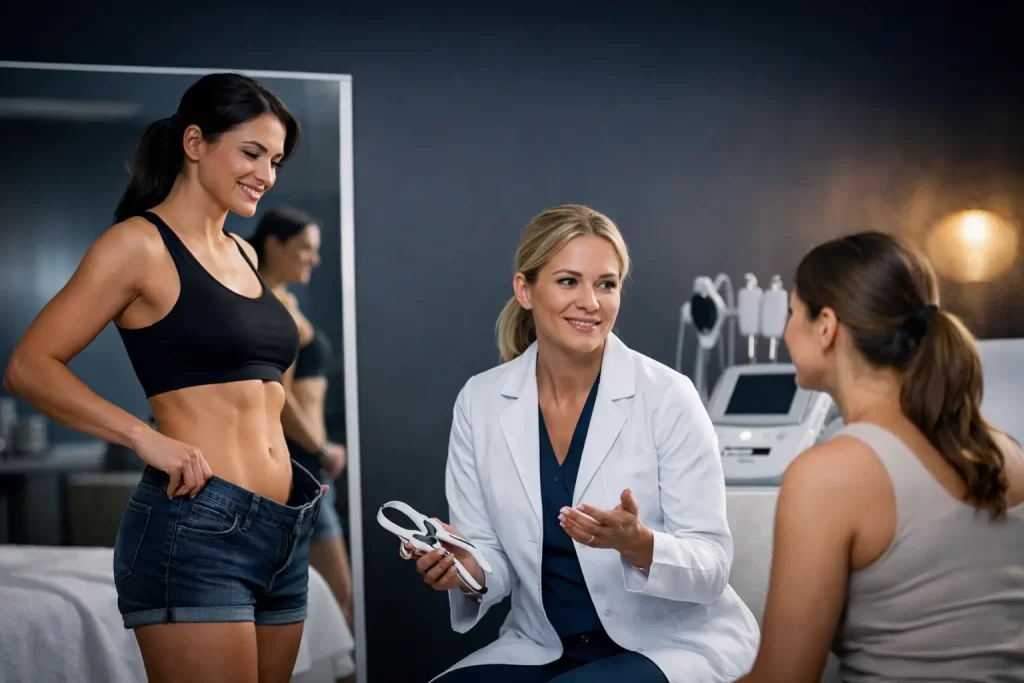
Your evaluation may include a discussion of your medical history, recent changes in weight, current medications, exercise habits, nutrition, and prior aesthetic treatments. Dr. Arshadi can assess whether your goals align with non-surgical body contouring and explain the expected degree of change, likely treatment timeline, and any limitations before you commit.
This is also the time to talk about comfort, downtime, and visibility. Some people want treatments that fit discreetly between meetings and family obligations. Others are willing to commit to a more involved series if it aligns with their priorities. There is no universally best option. There is only the option that makes sense for your body, schedule, and desired outcome.
Protecting Your Results After Treatment
Body contouring can be a motivating part of your transformation, but the habits that helped you lose weight remain central to maintaining your progress. Stable weight, resistance training, cardiovascular activity, sleep, stress management, hydration, and sufficient nutrition all influence how your body looks and performs over time.
Avoid the all-or-nothing mindset that often follows a major weight-loss effort. You do not need a rigid routine to support your results. You need a plan that works during travel, demanding work seasons, social events, and the ordinary weeks when motivation is lower. Consistency is more valuable than intensity you cannot sustain.
If you are using medically supervised weight-management support, your body contouring strategy should also be coordinated with your broader health plan. As your body composition continues to change, the timing and focus of aesthetic treatments may change with it.
Questions Worth Asking at Your Consultation
A productive consultation should leave you with clarity, not pressure. Ask what concern is most likely driving the appearance you want to improve: localized fat, muscle tone, skin laxity, or a combination. Ask what degree of change is realistic, how many treatments may be recommended, when you may begin noticing changes, and what you can do at home to support the plan.
You should also ask whether your current weight is stable enough to begin and whether any health or lifestyle factors could affect treatment suitability. The right answer may be to proceed, adjust the plan, or focus first on a different phase of your health optimization.
Your weight-loss success deserves an approach that sees more than a number on the scale. If you are ready to explore what a more defined, confident next step could look like, schedule a personalized consultation with Dr. Arshadi at Divine Longevity and Wellness. The most meaningful results begin with an honest assessment of where you are now and a plan built around where you want to go.