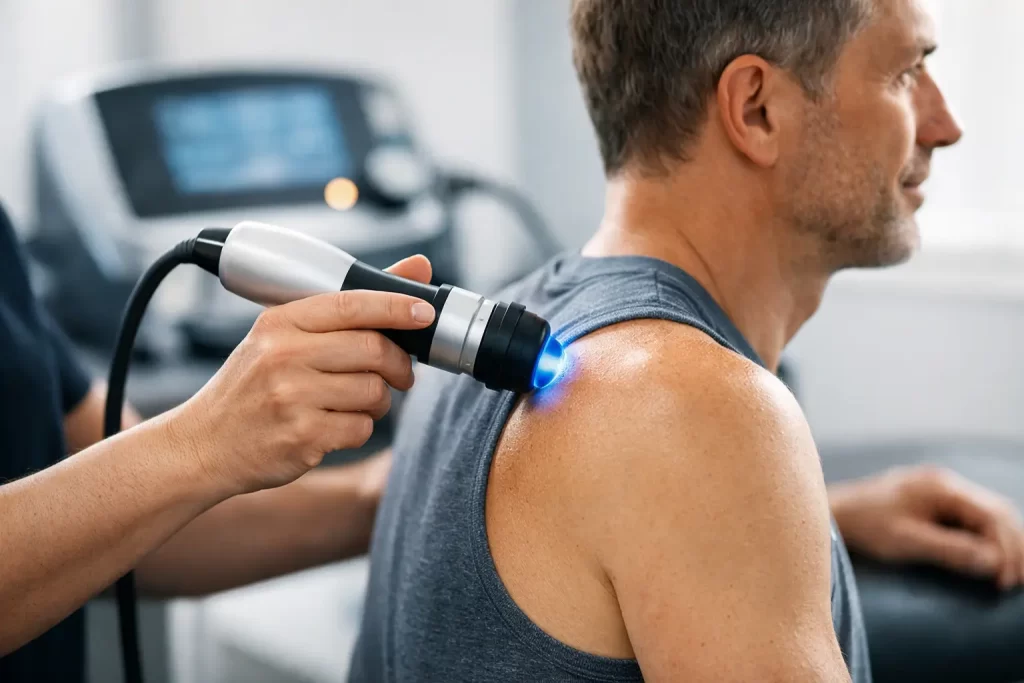
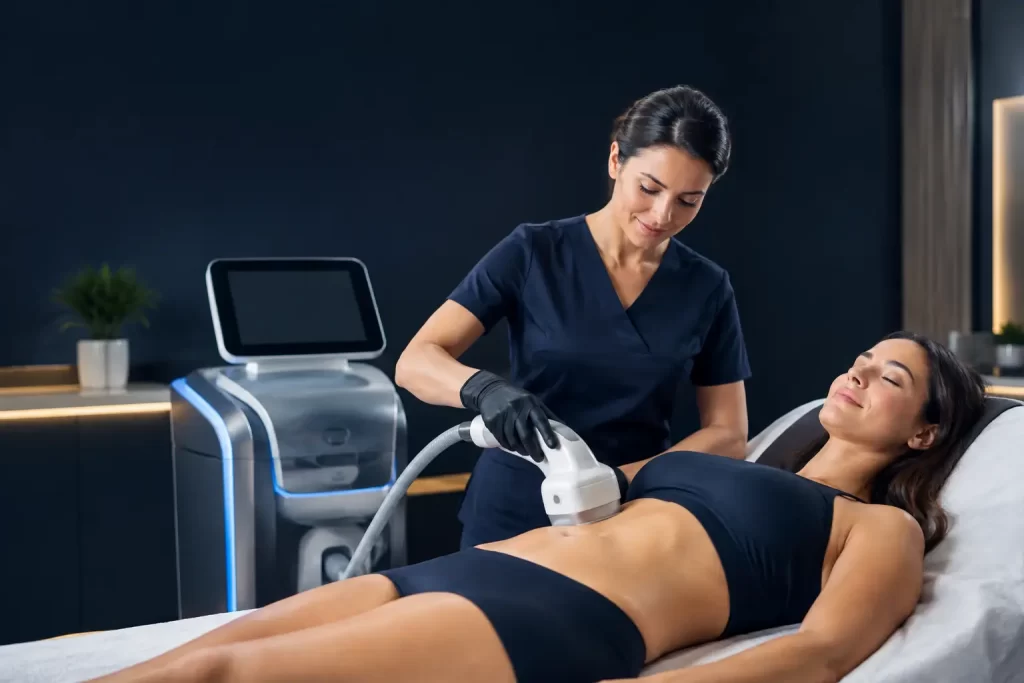
That area that seems unchanged despite consistent workouts, thoughtful nutrition, and a stable weight can be frustrating. It is also common. A body contouring treatment guide should start with an honest point: non-surgical contouring is designed to refine specific areas, not replace weight management or promise a different body overnight.
For the right candidate, physician-directed treatment can be a practical way to address stubborn pockets of fat, mild skin laxity, or muscle definition goals without surgery and its extended recovery. The value is not simply in choosing a device. It is in choosing the right approach for your anatomy, health history, lifestyle, and definition of a successful result.
What Body Contouring Can and Cannot Do
Body contouring is an umbrella term for treatments intended to improve the shape, proportion, or firmness of a targeted area. Depending on the technology and treatment plan, a session may focus on reducing localized fat, supporting firmer-looking skin, or strengthening and toning muscles.
Common treatment areas include the abdomen, flanks, thighs, upper arms, back, buttocks, and under the chin. What makes one person a strong candidate may make another person better suited for a different strategy. For example, someone close to their preferred weight with a focused concern at the lower abdomen has a different starting point than someone whose primary goal is significant overall weight reduction.
Non-surgical body contouring is not a weight-loss procedure. The scale may barely move even when an area looks more balanced over time. It also cannot reliably correct substantial loose skin, large volume changes, or every concern related to cellulite. Those distinctions matter because realistic expectations protect your time, investment, and confidence in the process.
A Body Contouring Treatment Guide to Your Options
The best technology depends on what you want to change. An in-person evaluation helps separate a concern caused primarily by fat from one caused by skin laxity, muscle tone, posture, or a combination of factors.
Treatments focused on localized fat
Some non-surgical technologies use precisely controlled energy to affect fat cells in a treatment area. Common approaches may use cooling, heat, ultrasound, or other energy-based methods. The body gradually processes the affected cells over the weeks and months after treatment, so results are not immediate.
These treatments are generally best considered for small, pinchable areas that have been resistant to your usual routine. They are not a substitute for metabolic care when weight gain, appetite changes, insulin resistance, or other health factors are driving a larger pattern of body composition change.
Treatments focused on muscle definition
Electromagnetic muscle stimulation is a different category. Rather than targeting fat alone, it stimulates powerful muscle contractions intended to support muscle conditioning in selected areas, often the abdomen, buttocks, arms, or thighs.
This option can be appealing if your goal is a more athletic look or added definition alongside an established strength-training routine. It is still not a replacement for exercise. Think of it as a potential complement to a broader plan that includes resistance training, protein intake, sleep, and recovery.
Treatments focused on skin quality and firmness
Radiofrequency and other energy-based approaches may be used to support collagen remodeling and improve the appearance of mild skin laxity. Skin responds slowly to remodeling, which is why a series of treatments and patience are often part of the conversation.
Skin tightening outcomes vary with age, genetics, sun exposure, weight fluctuations, and the degree of laxity. Mild crepiness or loss of firmness may respond differently than more significant excess skin after major weight loss or pregnancy. A clear assessment can prevent expecting a non-surgical procedure to produce a surgical-level change.
Who Is a Good Candidate?
A strong candidate is usually in generally good health, near a sustainable weight, and seeking refinement rather than transformation through a single appointment. You should be willing to maintain your results with consistent habits, because remaining fat cells can still enlarge if body weight increases.
Your consultation should also review factors that affect safety and planning. These may include pregnancy or breastfeeding, implanted electronic devices, metal in the treatment area, hernias, prior surgeries, skin conditions, medications, and a history of significant weight changes. Certain treatments may not be appropriate in these situations, or the timing may need to change.
The right conversation is not, “What is the fastest treatment?” It is, “What is most likely to match my goal safely?” At Divine Longevity and Wellness, Dr. Arshadi can evaluate the full picture, including whether body composition, hormone health, metabolic factors, nutrition, and your current fitness plan should shape your recommendations.
What a Personalized Plan Should Include
A quality consultation begins by defining the concern in specific terms. Is it fullness at the waistline? A softer appearance of the upper arms? Loss of abdominal definition despite training? A desire for firmer-looking skin after weight loss? Photos, measurements, and a physical assessment may help establish a useful baseline.
From there, your plan should address the treatment approach, number of sessions, expected timeline, and what degree of improvement is reasonable. You should also understand whether treatments are being combined for different goals. A plan that targets fat may not address skin laxity, and a muscle-focused treatment may not be the answer for a localized fat pocket.
This is where individualized care matters. Two people can request abdominal contouring yet need entirely different recommendations. One may benefit from medical weight management first. Another may be an excellent candidate for targeted treatment because their weight and lifestyle are already stable. A third may decide that their concern exceeds what a non-surgical option can reasonably accomplish.
What Treatment and Recovery Feel Like
Most non-surgical contouring appointments are performed in the office, and many people return to normal routines the same day. The exact experience depends on the technology. You may feel pressure, warming, cooling, pulling, tingling, or intense muscle contractions during treatment.
Temporary redness, tenderness, swelling, bruising, numbness, or sensitivity can occur. These effects are often short-lived, but recovery differs by treatment type and by person. Your care team should give you clear aftercare instructions and explain which symptoms are expected versus when you should contact the office.
Do not let the phrase “non-surgical” lead you to treat the decision casually. These are medical and aesthetic procedures that deserve appropriate screening, trained oversight, and candid communication about risks. Ask how the treatment works, what alternatives exist, how progress will be assessed, and what your individual recovery may involve.
When Will You See Results?
The timeline depends on the treatment goal. Muscle-focused sessions may create an early sense of activation or firmness, while visible changes generally develop over a series of sessions and continued training. Fat-reduction and collagen-remodeling treatments often require more patience, with changes becoming noticeable gradually as the body responds.
Your starting point affects the visible difference as well. A modest change can look highly meaningful on a lean, fit person seeking sharper definition. Someone with more diffuse fullness may need a broader health plan before targeted contouring provides the refinement they want.
Progress photos, consistent lighting, body measurements, how clothing fits, and your own assessment of proportion can be more useful than daily scale checks. The goal is not to chase perfection. It is to make a measured improvement that fits your body and feels aligned with how you want to look and perform.
Questions Worth Asking Before You Commit
Before beginning, ask what concern the treatment is designed to address and whether that matches your anatomy. Ask how many treatments are likely recommended, when results should be evaluated, and what follow-up support is included. You should also ask about potential side effects, contraindications, maintenance needs, and how lifestyle changes may support your outcome.
If your goal is tied to a larger health concern, bring that into the conversation. Persistent weight changes, fatigue, reduced exercise capacity, sleep disruption, or shifts in body composition can deserve a broader medical review rather than a cosmetic-only answer. A whole-person approach gives you more useful options.
The most effective body contouring plan is not the most aggressive one. It is the one that respects your starting point, supports your long-term health, and creates a realistic path toward greater confidence. If you are ready for a personalized assessment in Chesterfield, schedule a consultation with Dr. Arshadi and start with a plan built around your goals.