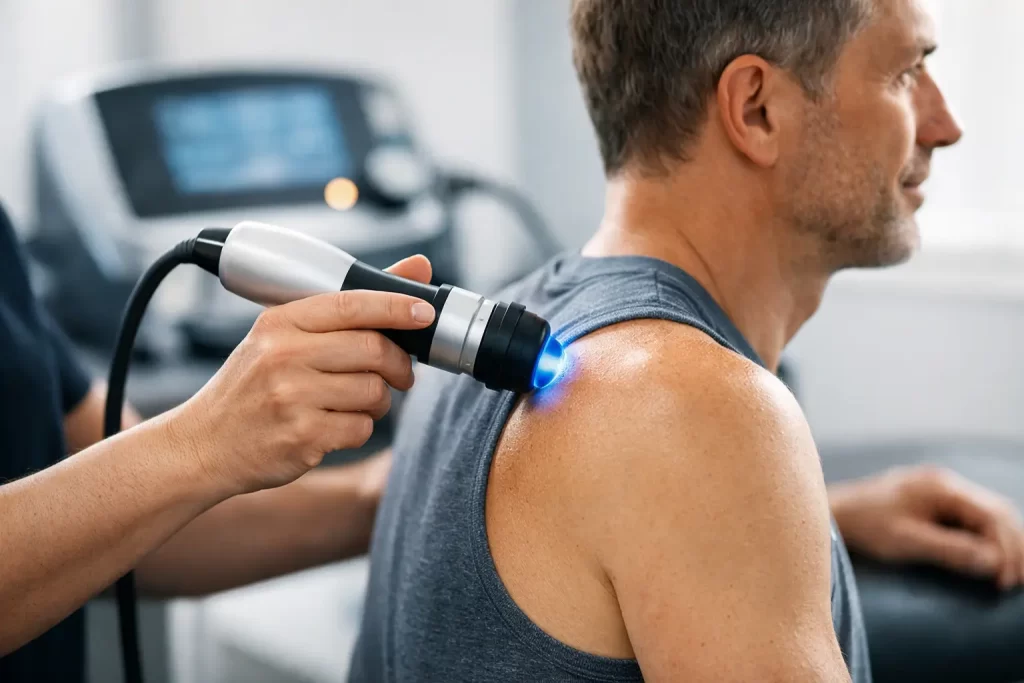

A change in sexual performance can feel personal, frustrating, and difficult to discuss – especially when you are otherwise successful, active, and used to functioning at a high level. This guide to male sexual wellness is designed to replace guesswork with a clearer view of the factors that shape libido, erections, stamina, confidence, and intimacy.
Sexual wellness is not just about one symptom or one lab value. It reflects the interaction of circulation, hormones, sleep, stress, medication use, metabolic health, physical conditioning, relationship dynamics, and your expectations for how you want to feel. A thoughtful approach looks at the full picture rather than offering a one-size-fits-all answer.
What Male Sexual Wellness Really Includes
Male sexual wellness is often reduced to erectile function, but that is only one part of the conversation. Many men notice a lower interest in sex first. Others can still feel desire but struggle with erection firmness, consistency, climax, stamina, or confidence. Some find that sexual concerns show up alongside fatigue, weight changes, diminished drive, poor recovery from exercise, or less satisfying sleep.
These concerns are common, and they are not a character flaw or something you simply need to accept as an unavoidable part of getting older. At the same time, they do not always point to a single cause. The right next step depends on your health history, symptoms, goals, and clinical evaluation.
Sexual function also has a meaningful quality-of-life component. Feeling more connected to your body, your partner, and your confidence can affect relationships, motivation, and how you show up in other areas of life. That makes the conversation worth having early, not only after months or years of frustration.
The Foundations of Sexual Function
Blood flow and cardiovascular health
An erection depends on healthy blood flow, nerve signaling, and the ability of penile tissue to respond to arousal. Factors that affect vascular health can also affect sexual function. Elevated blood pressure, insulin resistance, smoking, high cholesterol, excess body fat, and limited physical activity may all play a role for some men.
This is one reason a sudden or persistent change in erections deserves medical attention. It may be an isolated concern, but it can also be an opportunity to take a closer look at broader cardiometabolic health. Improving the basics of blood pressure, body composition, movement, nutrition, and sleep may support sexual function while also benefiting long-term health.
Hormones and libido
Testosterone has an important role in male sexual desire, energy, mood, muscle maintenance, and overall well-being. However, low libido or inconsistent erections do not automatically mean testosterone is low. Stress, depression, alcohol use, sleep disruption, medication effects, relationship concerns, and other medical factors can create similar symptoms.
A meaningful hormone evaluation is more than a single number taken at a random time. Dr. Arshadi considers symptoms, medical history, appropriate laboratory testing, and other contributors that may affect how you feel and perform. If hormone treatment is appropriate, it should be medically supervised, individualized, and monitored over time. If it is not the best fit, identifying the real drivers still moves you closer to a useful plan.
Sleep, stress, and nervous system balance
Poor sleep can lower energy, reduce desire, affect mood, and interfere with healthy hormone signaling. Sleep apnea, chronic insomnia, irregular schedules, and simply running on too little rest can all matter. For busy professionals and parents, this is often an overlooked piece of the sexual wellness puzzle.
Stress has a similar effect. Sexual response relies on the nervous system’s ability to shift into a relaxed, responsive state. When your mind is constantly in problem-solving mode, performance pressure can become a cycle: one off experience creates worry, and that worry makes the next experience more difficult. Addressing stress is not a vague wellness suggestion. It can be a practical part of restoring confidence and consistency.
Medications, alcohol, and other contributors
Certain prescription medications may affect libido, arousal, ejaculation, or erectile function. Alcohol can reduce inhibition in the short term while interfering with performance and sleep, particularly when intake is frequent or heavy. Recreational substances may also contribute.
Do not stop prescribed medication on your own because of sexual side effects. A physician can review possible contributors and help you understand whether an adjustment, an alternative strategy, or additional evaluation may be appropriate.
A Guide to Male Sexual Wellness: Start With Better Information
The internet makes it easy to find quick fixes, but sexual wellness is one area where shortcuts can create more confusion. Supplements may be inconsistently formulated, online questionnaires can miss important health information, and treatments that helped someone else may not address your needs.
A personalized medical evaluation begins with a direct conversation about what has changed and what you want to improve. That may include libido, erection quality, morning erections, stamina, ejaculation, urinary symptoms, sleep, mood, fitness, medications, alcohol use, and relationship context. There is no need to minimize the concern or have the perfect vocabulary. Specific, honest details help create a more precise plan.
Depending on your situation, an evaluation may include blood pressure and body-composition considerations, targeted laboratory testing, hormone assessment, metabolic markers, and a review of cardiovascular risk factors. The goal is not to order every possible test. It is to identify the information that can meaningfully guide decisions.
This approach also helps distinguish between a short-term change and a pattern that deserves more attention. A few difficult weeks during a demanding work season may call for a different strategy than symptoms that have gradually progressed over a year.
Practical Habits That Support Sexual Health
Medical care works best when it is paired with habits that support your physiology. You do not need a perfect routine, but consistency matters.
Regular resistance training and cardiovascular exercise can support circulation, body composition, stress management, sleep quality, and confidence in your physical capability. The ideal mix depends on your baseline fitness, joint health, schedule, and goals. More exercise is not always better if it leaves you chronically under-recovered.
Nutrition should support stable energy and metabolic health rather than rely on extreme restriction. Prioritizing protein, fiber-rich foods, hydration, and minimally processed meals can be a strong starting point. If excess weight is affecting energy, mobility, confidence, or metabolic markers, medically supervised weight management may be worth discussing as part of a broader plan.
Sleep deserves the same level of attention as workouts and nutrition. Aim for a consistent sleep schedule when possible, reduce late-night alcohol, and address persistent snoring, witnessed breathing pauses, or daytime sleepiness with a physician. These details can be highly relevant to both health and sexual function.
Finally, leave room for communication. A partner cannot always see the stress, uncertainty, or physical changes you may be experiencing. An honest conversation can reduce pressure and create more connection, whether your concern is desire, performance, or simply feeling less like yourself.
When It Is Time to Seek Medical Guidance
Consider a medical evaluation if a change in libido, erections, or sexual confidence persists, worsens, or begins affecting your relationship or quality of life. It is especially wise to speak with a physician when sexual symptoms occur with chest discomfort, shortness of breath, substantial fatigue, mood changes, new medication use, or signs of disrupted sleep.
You should also seek prompt medical care for painful erections, penile injury, sudden severe symptoms, or an erection lasting longer than four hours. Those situations require timely assessment rather than waiting for a routine wellness appointment.
At Divine Longevity and Wellness in Chesterfield, Dr. Arshadi takes a physician-directed, whole-person approach to male sexual wellness. Recommendations may include lifestyle and metabolic strategies, hormone optimization when clinically appropriate, prescription options, targeted supplementation, or other therapies based on your individual needs. Treatment choices, safety considerations, and outcomes vary from person to person.
You do not need to settle for vague reassurance or a generic solution. A confidential conversation and thoughtful evaluation can help you understand what is influencing your sexual health and build a plan that supports stronger performance, greater confidence, and the way you want to feel moving forward.