
Chronic pain has a way of making life smaller. The workout you used to enjoy becomes a calculation. A full day at work feels harder than it should. Sleep, travel, family time, and even your mood can start revolving around what hurts. The top options for chronic pain are not about chasing one quick fix. They are about identifying what may be driving your symptoms, protecting your function, and creating a plan you can realistically sustain.
Pain lasting longer than a few months deserves more than a rushed conversation and a generic recommendation. It may relate to an old injury, joint changes, nerve irritation, repetitive strain, inflammation, poor sleep, stress, metabolic health, medication effects, or several factors working together. The right approach depends on the person, the type of pain, and the goals that matter most to them.
Why Chronic Pain Needs a Personalized Plan
Chronic pain is not always a simple measure of tissue damage. The nervous system can become more sensitive over time, which may amplify discomfort even after an initial injury has improved. At the same time, pain should never be dismissed as being only in your head. It is real, and it deserves thoughtful evaluation.
A useful plan begins with the pattern. Where is the pain? Is it burning, aching, sharp, numb, or tingling? Does it worsen with walking, sitting, lifting, certain foods, stress, or poor sleep? Has it changed recently? Your medical history, medications, prior imaging, exercise habits, body composition, sleep quality, and laboratory findings can all provide relevant context.
This broader view helps avoid two common problems: treating every pain complaint exactly the same way, or assuming discomfort is simply an unavoidable part of getting older. Aging may change the body, but it does not mean you should stop asking better questions about how you feel and function.
Top Options for Chronic Pain Start With Clarity
Before choosing a treatment, it is important to identify issues that need prompt medical attention. New weakness, loss of bowel or bladder control, severe pain after significant trauma, fever with back pain, unexplained weight loss, chest pain, or sudden one-sided numbness require timely evaluation.
For persistent pain without those urgent warning signs, a physician-directed assessment can help determine which options are reasonable and safe. This may include a focused physical exam, review of previous testing, medication review, and, when appropriate, diagnostic testing to look for contributors such as metabolic dysfunction, nutritional deficiencies, inflammation, or hormonal concerns. Testing should answer a clinical question, not simply create a longer list of numbers to worry about.
Build Strength and Movement Capacity
For many common musculoskeletal pain patterns, carefully progressed movement is one of the most valuable tools available. This does not mean forcing yourself through sharp pain or being told to just exercise more. It means identifying a starting point your body can tolerate and gradually building capacity.
Mobility work, strength training, walking, balance work, and physical therapy-style exercises can improve joint support, confidence with movement, and day-to-day function. The best program depends on the area involved. Someone with knee discomfort may need a different strategy than someone managing neck tension, low back pain, or shoulder limitations.
Consistency matters more than intensity at the beginning. A 15-minute routine performed regularly may be more productive than an ambitious program that causes a flare and gets abandoned. Progress is rarely perfectly linear, so the plan should include ways to adjust activity during more difficult weeks without losing momentum.
Improve the Recovery Factors That Influence Pain
Pain and poor recovery often feed each other. When sleep is fragmented, stress stays elevated, nutrition is inconsistent, or activity drops, pain can feel more intrusive and harder to manage. These factors do not explain every condition, but they can meaningfully affect your resilience and response to treatment.
Sleep deserves particular attention. Insufficient or disrupted sleep can lower pain tolerance, reduce energy for exercise, and make healthy choices feel harder. A personalized plan may look at sleep timing, alcohol use, caffeine habits, nighttime symptoms, breathing concerns, and medications that could interfere with rest.
Nutrition can also support a more stable foundation. Rather than promoting a restrictive, one-size-fits-all diet, the focus should be on adequate protein, fiber-rich foods, hydration, steady energy intake, and a plan that supports a healthy body composition when appropriate. For patients carrying extra weight, medically supervised weight management may reduce stress on weight-bearing joints while improving cardiometabolic health. The goal is improved function and long-term health, never shame.
Stress management is practical, not performative. Breathing practices, counseling, pacing, time outdoors, improved work boundaries, and a return to enjoyable activities can all be meaningful parts of a care plan. Persistent pain affects the nervous system and your quality of life, so supporting both is reasonable medicine.
Use Medication Thoughtfully, Not Automatically
Medication may have a role in chronic pain management, especially during flares or when symptoms limit sleep and function. The right choice depends on the diagnosis, other health conditions, current medications, and the nature of the pain. Some medicines are more relevant for inflammatory pain, while others may be considered for nerve-related symptoms.
The key is to weigh benefit against risk and revisit the plan regularly. Certain medications can cause stomach, kidney, blood pressure, sedation, mood, or dependency concerns, particularly when used long term or combined with other drugs. Medication should be one purposeful part of a larger strategy, not the only strategy when other contributors can be addressed.
Consider Targeted, Non-Surgical Therapies When Appropriate
When pain is localized and conservative measures have not been enough, targeted therapies may be worth discussing. The best choice depends on the condition, the body area, prior treatments, and the clinical findings. Some patients may benefit from physician-guided procedures, while others may be better served by rehabilitation, medication adjustments, or further evaluation.
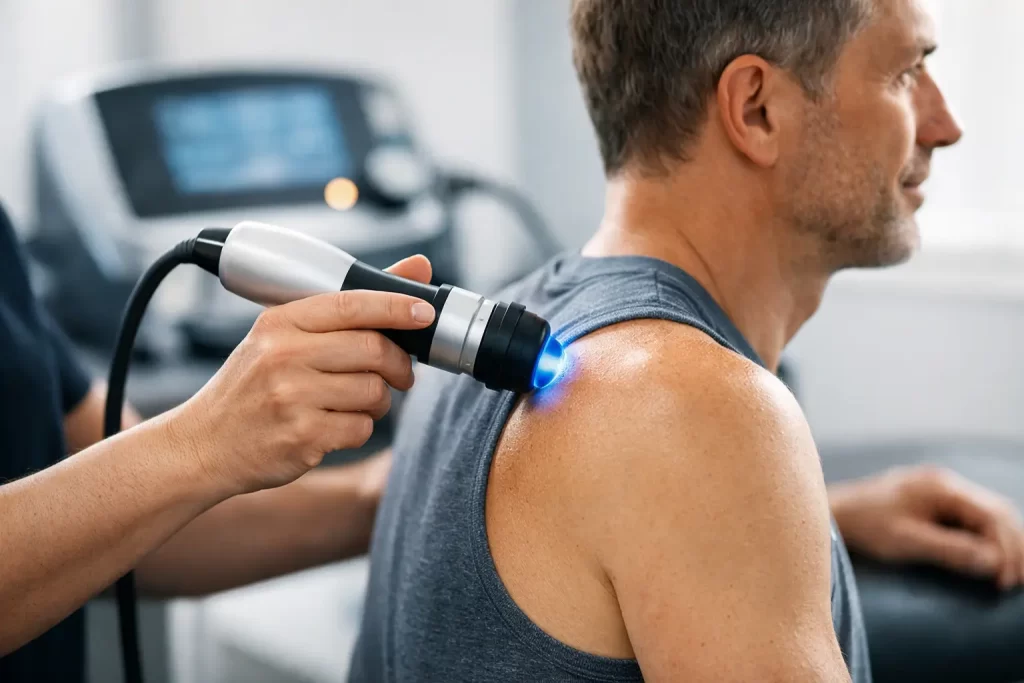
At Divine Longevity and Wellness, Dr. Arshadi may consider non-surgical options such as SoftWave therapy for appropriate musculoskeletal concerns. This technology uses acoustic waves and may support the body’s healing response in selected situations. It is not a universal answer for every painful condition, and outcomes vary based on the underlying issue, the treatment plan, and individual health factors.
A high-quality discussion should be clear about what a therapy is intended to address, what the evidence suggests, how many sessions may be considered, and how success will be measured. Less pain matters, but so do practical outcomes: walking farther, returning to golf, sleeping more comfortably, lifting your child, or getting through a workday with more energy left.
Address Nerve-Related Symptoms With Care
Burning, tingling, numbness, pins-and-needles sensations, or unusual sensitivity may suggest a nerve-related component. These symptoms warrant careful assessment because the causes can vary widely. Metabolic issues, medication effects, nutritional factors, spinal concerns, and past injuries are only some possibilities.
Neuropathy support should start with understanding the pattern and identifying modifiable contributors when possible. The plan may include lifestyle strategies, targeted nutritional support when clinically appropriate, prescription options, and therapies intended to improve comfort and function. Avoiding a generic approach is especially important here, since numbness or weakness may require further medical evaluation.
Measure Progress Beyond a Pain Score
A pain score is useful, but it is not the whole story. A successful plan may include fewer flare days, better sleep, improved range of motion, more stable energy, stronger workouts, less reliance on medication, or greater confidence in your body. Tracking these markers makes it easier to see what is helping and what needs to change.
Chronic pain care works best as an evolving partnership. Your symptoms, schedule, goals, and response to treatment can change over time. If pain has been setting the terms of your life, a comprehensive consultation with Dr. Arshadi can help you move from scattered attempts toward a more informed, personalized path forward.