You may feel energized, healthy, and fully capable, yet notice that the mirror is telling a different story. Fine lines may seem more defined, skin may look less even, facial volume may have shifted, or your hair may no longer feel as full as it once did. Aesthetic medicine offers a thoughtful way to address those concerns without losing the character and expression that make you look like yourself.
The goal is not to chase someone else’s appearance or erase every sign of life well lived. It is to make considered, medically guided improvements that support your confidence and align with how you want to show up in the world.
What Is Aesthetic Medicine?
Aesthetic medicine is a physician-guided field focused on improving the appearance, quality, and health of the skin, face, body, and hair through non-surgical or minimally invasive treatments. It includes options such as wrinkle relaxers, dermal fillers, laser treatments, skin rejuvenation, body contouring, and hair restoration.
What separates quality aesthetic care from a quick cosmetic service is the clinical process behind it. Your facial structure, skin type, medical history, medications, lifestyle, goals, and comfort level all matter. A treatment that looks excellent on one person may be inappropriate, unnecessary, or poorly timed for another.
For many patients, the appeal is flexibility. You may want a subtle refinement before an important event, a gradual skin-quality plan over several months, or an ongoing strategy that helps you maintain natural-looking results over time. The right plan should meet you where you are, not pressure you into a more extensive approach than you want.
Aesthetic Medicine Is About Proportion, Not Perfection
The most appealing results are often the ones people cannot immediately identify. Friends may say you look rested, healthy, or refreshed without pinpointing why. That outcome usually comes from restraint, careful assessment, and respect for proportion.
A face is not a collection of isolated lines or features. Volume changes in the cheeks can affect the lower face. Skin texture can influence how youthful the entire complexion appears. Muscle movement creates expression, so treating wrinkles requires a balanced approach that softens unwanted lines without making the face look frozen.
This is why a consultation should go beyond asking, “What would you like to fix?” A better conversation explores what you notice, what has changed over time, what results feel authentic to you, and whether a treatment is likely to support that goal. Sometimes the best recommendation is to start conservatively. Sometimes it is to focus on skin health before adding volume. And sometimes it is simply to wait.
The Treatments Are Different Because the Concerns Are Different
There is no single best aesthetic treatment. The appropriate option depends on the concern being addressed, your anatomy, your timeline, and the degree of change you want.
Wrinkle Relaxers for Expression Lines
Wrinkle relaxers are commonly used to soften dynamic lines caused by repeated muscle movement, such as lines across the forehead, between the brows, and around the eyes. When placed thoughtfully, they can maintain natural expression while reducing the intensity of lines that make you appear tired, tense, or older than you feel.
The trade-off is that more treatment is not necessarily better. Dose, placement, muscle strength, and your desired amount of movement should all be considered. A natural-looking outcome often comes from a tailored approach rather than a standard pattern of injections.
Dermal Fillers for Structural Support and Balance
Dermal fillers may be used to restore or refine facial volume and contour in carefully selected areas. They can help address changes that occur as soft tissue volume shifts over time, but filler should not be viewed as a universal answer to every line or area of laxity.
A precise plan considers facial balance from multiple angles. In some cases, a modest amount of product placed in a supportive area can create a more harmonious improvement than repeatedly treating the line a patient first noticed. In other cases, filler may not be the best fit for the concern. Clear expectations and conservative technique are essential.
Laser and Skin Rejuvenation Treatments for Skin Quality
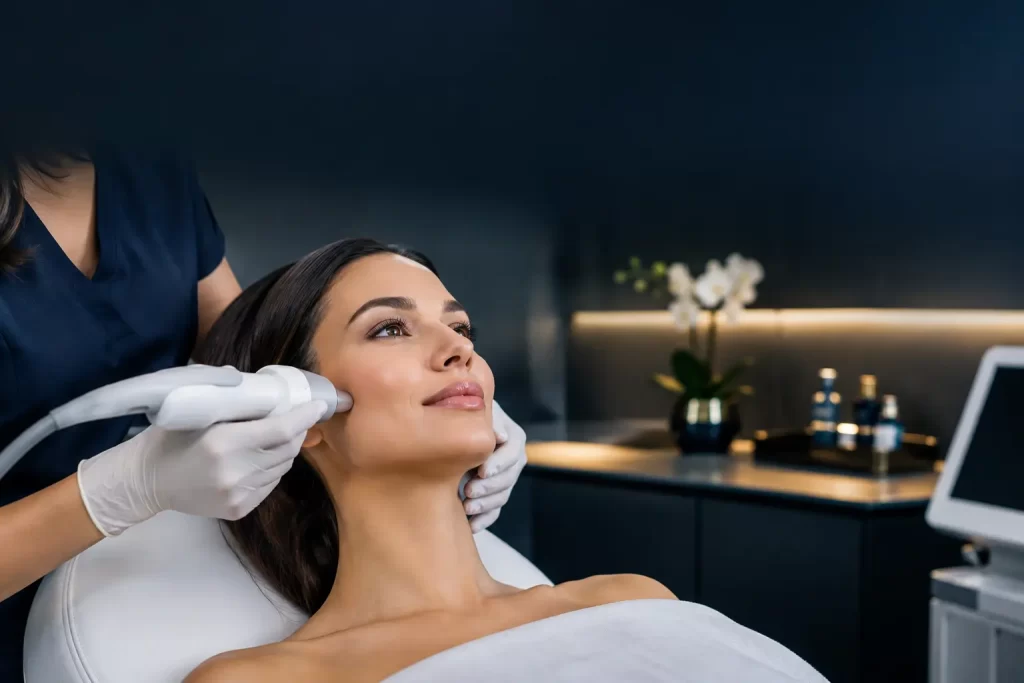
If your primary concern is uneven tone, sun-related changes, texture, redness, enlarged pores, or a dull-looking complexion, skin-focused treatments may be more relevant than injectables. Laser treatments and other skin rejuvenation options are designed to support improvements in the surface and underlying quality of the skin.
Results and recovery vary by treatment intensity, skin type, and the concern being addressed. A stronger treatment may involve more downtime, while a gentler option may require a series of sessions. The best plan balances the potential benefit with your schedule, tolerance for recovery, and commitment to post-treatment care.
Body Contouring and Hair Restoration for Focused Goals
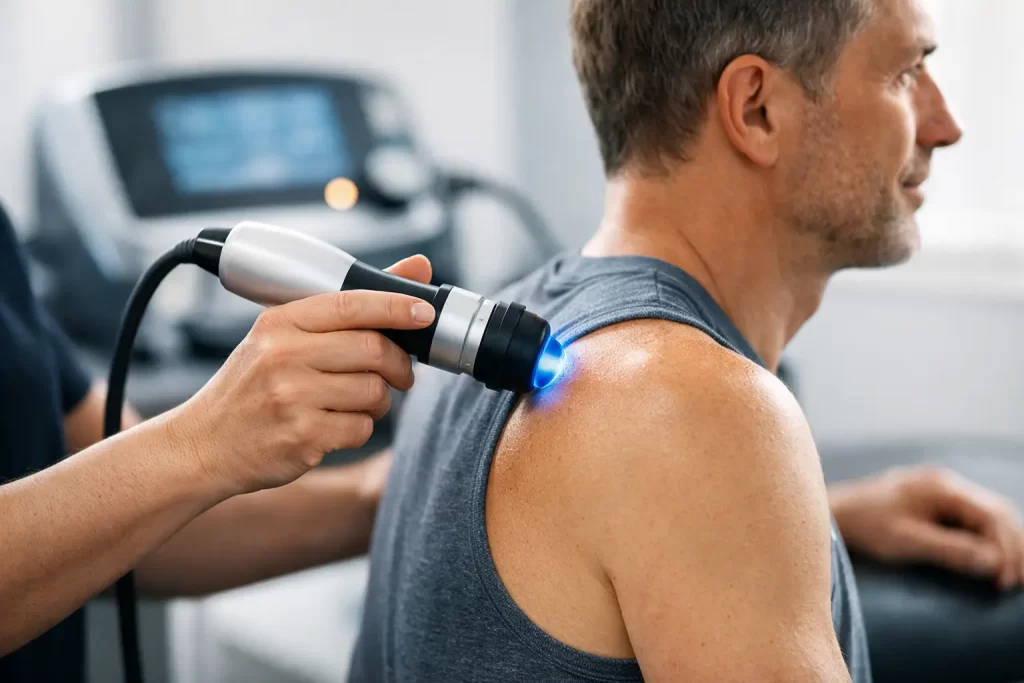
Aesthetic care also extends beyond the face. Non-surgical body contouring may be considered for patients who are already pursuing a healthy lifestyle and want to address specific areas of concern. Hair restoration plans can be valuable for men and women experiencing changes in hair density or quality.
Both require realistic expectations. Body contouring is not a substitute for medically supervised weight management, nutrition, or exercise. Hair changes can have several contributing factors, which is why an informed evaluation matters before choosing a treatment path.
Why Medical Oversight Matters
Aesthetic procedures may be common, but they are still medical treatments. Safe, appropriate care begins with a detailed review of your health history, medications, allergies, prior procedures, and any factors that could affect healing or suitability.
Physician-directed care also allows aesthetics to be considered within a larger health picture. Persistent fatigue, weight changes, sleep disruption, hormonal symptoms, or nutritional challenges may affect how you feel about your appearance and how you approach treatment. They do not automatically point to a single cause, but they deserve a careful conversation rather than assumptions.
At Divine Longevity and Wellness, Dr. Arshadi approaches aesthetic goals with the same individualized attention used across functional, preventive, and longevity care. That means recommendations can evolve as your goals, health priorities, and response to treatment evolve.
How to Prepare for an Aesthetic Consultation
A productive consultation is not about arriving with the perfect answer. It is about being clear about what you have noticed and what matters most to you. Consider whether your priority is looking more rested, improving skin quality, refining a feature, restoring a sense of facial balance, or maintaining results you already enjoy.
Bring up previous treatments, even if they were years ago, and share any concerns about bruising, downtime, discomfort, or looking overdone. If you have an upcoming event, mention it early. A safe, thoughtful plan may require time for treatment, healing, follow-up, or gradual adjustments.
It also helps to discuss your lifestyle honestly. Sun exposure, smoking, skincare habits, exercise routine, stress, sleep, and nutrition can all influence the appearance of skin and the longevity of certain results. A procedure can be part of a plan, but it cannot replace the foundations that support skin health and overall vitality.
A Better Standard for Results
Before choosing any aesthetic procedure, ask how success will be measured. For some people, it is a softer appearance of expression lines. For others, it is improved skin tone, a more defined contour, fuller-looking hair, or the confidence to be photographed without overthinking every angle.
Good aesthetic medicine sets a high standard for both appearance and decision-making. You should understand the intended benefit, expected timeline, possible recovery, limitations, and whether maintenance may be needed. You should also feel comfortable saying no, starting slowly, or choosing a different option after learning more.
Your appearance is personal, and your care should be equally personal. The most valuable next step is a conversation that respects your goals, protects your individuality, and gives you the information to choose confidently.