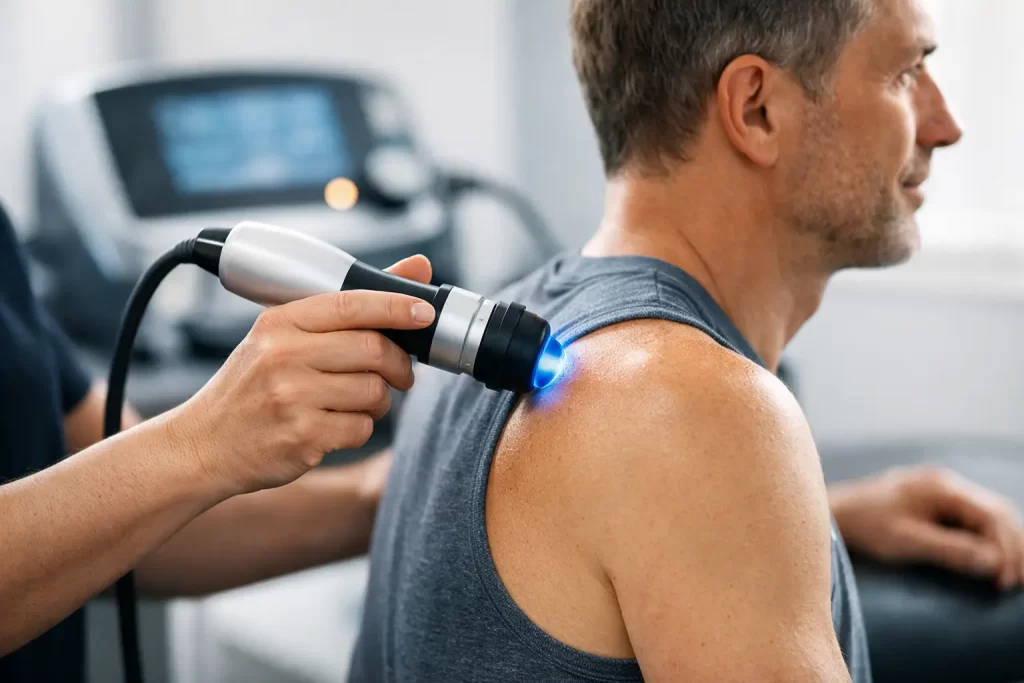
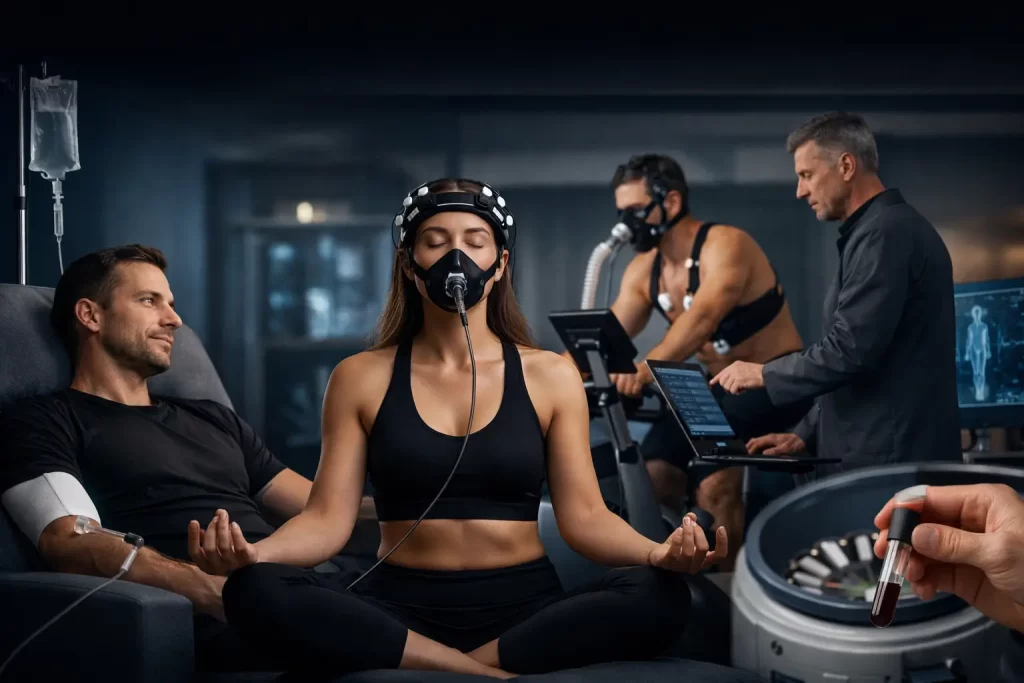
You can buy a sleep tracker, cold plunge, red-light device, glucose monitor, and a cabinet full of supplements without meaningfully improving how you feel. That is the central problem with biohacking: the term can describe thoughtful, data-informed health optimization, but it can also become a costly cycle of chasing the newest trend.
At its best, biohacking is not about extreme routines or trying to outsmart your biology. It is a practical effort to understand how your body responds to sleep, food, training, stress, medical treatment, and recovery, then make targeted changes that support your goals. For someone who wants more consistent energy, improved body composition, sharper focus, stronger performance, healthier aging, or natural-looking confidence, that can be a valuable approach. It also requires judgment.
Biohacking Starts With Better Questions
The most useful health strategy usually begins with a question more specific than, “What is the best supplement?” You may be wondering why you are exhausted despite sleeping eight hours, why weight loss has become harder than it used to be, why your workouts are not producing the same return, or why your focus fades in the afternoon.
Those concerns do not automatically point to one cause. Sleep quality, nutrition, alcohol intake, stress load, medication use, hormone changes, metabolic health, training volume, and underlying medical issues can all affect the same symptoms. A wearable may show that your sleep score is low, but it cannot explain the full reason or tell you which intervention is appropriate.
That is where physician-directed care can add value. The goal is not to medicalize every normal fluctuation in energy or appearance. It is to identify meaningful patterns, rule out concerns that deserve conventional medical attention, and build a plan around the factors most likely to matter for you.
The Foundations Are Not Boring When They Work
Many popular biohacking practices sit on top of basics that have not been addressed. No advanced technology can fully compensate for chronically short sleep, an inconsistent diet, minimal resistance training, excessive stress, or a schedule that leaves no room for recovery.
Sleep is often the highest-return place to start. Consistent sleep and wake times, morning light exposure, a cool dark bedroom, reasonable caffeine timing, and attention to alcohol can improve sleep quality for many people. If you snore heavily, wake unrefreshed, or struggle with persistent daytime sleepiness, an evaluation is more useful than simply adding another sleep supplement.
Movement matters just as much, but the right plan depends on your starting point and goals. Resistance training supports muscle, function, insulin sensitivity, bone health, and body composition. Cardiovascular exercise supports heart health and endurance. Recovery matters because a demanding training program can become counterproductive if it outpaces sleep, nutrition, or your current capacity.
Nutrition does not need to be perfect to be strategic. Prioritizing adequate protein, fiber-rich foods, hydration, and meals that keep you satisfied can create a stronger foundation than restrictive cycles that are impossible to sustain. For patients pursuing medically supervised weight management, nutrition guidance works best as part of a broader plan that protects lean mass and supports long-term habits.
Data Is Helpful, but Context Decides What It Means
Wearables and at-home measurements can make biohacking feel precise. Resting heart rate, activity, sleep duration, blood pressure, glucose patterns, and body composition trends can provide useful feedback. The challenge is resisting the urge to treat every number as a diagnosis.
A single poor sleep score after a late dinner, business travel, or a stressful week does not mean something is wrong. Likewise, a normal-looking dashboard does not necessarily explain persistent symptoms. The value comes from looking at trends over time alongside how you feel, how you function, your medical history, and clinically appropriate testing.
Laboratory testing can be particularly useful when it is selected for a reason. Broad testing without a clear clinical question can produce confusing borderline results and unnecessary anxiety. A personalized evaluation may look at cardiometabolic markers, nutritional status, hormone-related concerns, or other factors based on your symptoms, history, and goals. Results should guide a conversation, not become a scorecard.
What You Can Measure at Home
Keep home tracking simple enough that you will actually use it. A few consistent observations can be more actionable than dozens of disconnected metrics:
- Sleep duration and how rested you feel upon waking
- Weekly resistance and cardiovascular training sessions
- Energy, mood, hunger, and focus patterns across the day
- Blood pressure readings when clinically appropriate
- Body weight or waist trends, if these support rather than distract from your goals
If tracking makes you more anxious, obsessive, or discouraged, it is not serving its purpose. The right amount of data should help you make clearer decisions, not make every meal or workout feel like a test.
Where Advanced Options May Fit
Some biohacking tools and treatments can be useful additions to a strong foundation. IV therapy may be considered for select wellness goals or situations when medically appropriate. Certain supplements may help address a documented deficiency, support a specific health target, or complement nutrition and training. Regenerative and recovery-focused technologies may be considered for particular functional or aesthetic concerns.
The key word is “may.” The benefit of any option depends on the person, the treatment, the reason it is being used, and the quality of medical oversight. More interventions do not necessarily create better results. Sometimes the most effective adjustment is simplifying a routine that has become too complicated to follow consistently.
Peptides are another area where careful guidance matters. Interest in peptide therapies has grown quickly, but the evidence, regulatory status, formulation, and appropriate use vary substantially. A responsible conversation should address your goals, medical history, potential risks, realistic expectations, and whether an option belongs in your plan at all.
Aesthetic biohacking deserves the same level of discernment. Skin rejuvenation, hair restoration, body contouring, and non-surgical facial treatments can support confidence when they are selected thoughtfully. The goal should be refreshed, natural-looking improvement that aligns with your features and preferences, not a one-size-fits-all version of youth.
Avoid the Two Biggest Biohacking Mistakes
The first mistake is treating every symptom as a personal optimization failure. Fatigue, weight changes, low mood, pain, hair loss, changes in sexual wellness, and declining exercise tolerance can have many causes. You do not need to push harder or blame yourself. You need an informed assessment.
The second is assuming that “natural” means harmless. Supplements can interact with medications, affect lab values, and cause side effects. Aggressive fasting, unregulated products, excessive heat exposure, and punishing exercise protocols can also create real problems for the wrong person. If you have a medical condition, take prescription medications, are pregnant, or have a history of disordered eating, individualized guidance is especially important.
A Smarter Path to Personal Optimization
A sustainable biohacking plan is usually less dramatic than social media makes it appear. It begins by defining the outcome you want to improve, establishing a baseline, and choosing a small number of interventions you can maintain. Then you reassess based on measurable progress and how you actually feel.
For example, a busy executive who is dealing with afternoon brain fog may need a different strategy than an active adult focused on preserving strength, or someone navigating hormonal symptoms and stubborn weight changes. The right plan could involve sleep improvements, nutrition changes, a structured training program, medical evaluation, targeted treatment, or a combination of these approaches.
At Divine Longevity and Wellness in Chesterfield, Dr. Arshadi approaches optimization as a personalized medical process rather than a collection of trends. Your history, goals, laboratory findings, lifestyle, and response to treatment all matter. Recommendations can evolve as your body and priorities change.
You do not need an extreme protocol to take your health seriously. Start with the question you have been putting off, bring real data and honest context to the conversation, and choose the next step that gives you the best chance of feeling and performing at your best.