
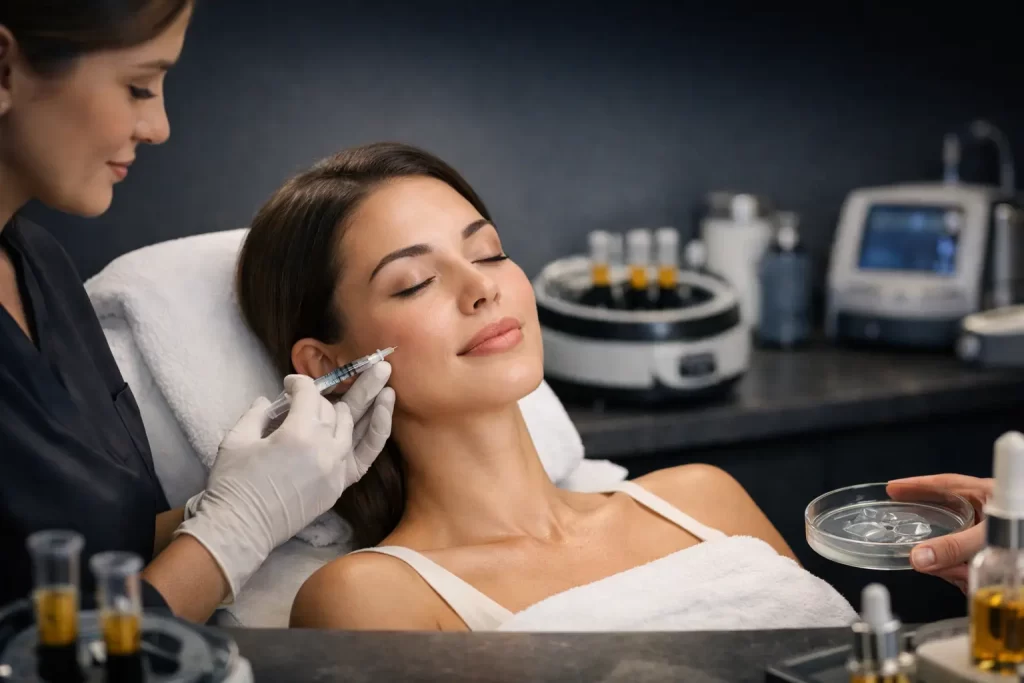
You may not want to look like a different person. You may simply want your skin to look healthier, your hair to appear fuller, your features to feel more balanced, and your reflection to better match the energy you bring to the rest of your life. Regenerative aesthetics is built around that goal: supporting natural-looking improvement through thoughtful, physician-directed care rather than chasing a one-size-fits-all cosmetic ideal.
For many adults, visible aging is not one isolated issue. Changes in skin texture, facial volume, pigmentation, hair density, body composition, sleep, stress, and overall health can overlap. A personalized aesthetic plan considers the full picture, then recommends options that align with your anatomy, lifestyle, timeline, and comfort level.
What Is Regenerative Aesthetics?
Regenerative aesthetics is an approach to non-surgical aesthetic care that focuses on improving the quality and appearance of tissue while preserving what makes you look like you. Depending on your needs, this may involve treatments designed to support collagen production, improve skin resurfacing and tone, address hair concerns, refine contour, or restore balanced facial structure.
The word “regenerative” is used broadly in aesthetic medicine, so it deserves a clear explanation. It does not mean any treatment can stop aging or guarantee a permanent result. It means the care plan may prioritize processes such as collagen stimulation, skin renewal, and tissue support alongside visible cosmetic refinement. The right approach depends on what is causing your concern and what outcome you consider a success.
For example, fine lines caused by repetitive movement may respond differently than lines related to volume loss or sun-related skin changes. A patient concerned about thinning hair needs a different conversation than someone whose primary goal is a more even complexion. Effective planning starts with identifying the pattern, not simply selecting the latest treatment.
Why Natural-Looking Results Require a Plan
The most convincing aesthetic results are often difficult for other people to pinpoint. You may hear that you look rested, healthy, or refreshed without anyone being able to identify exactly why. That is usually the result of restraint, sequencing, and treatment selection – not doing more for the sake of doing more.
A personalized plan considers facial proportions, skin quality, age-related changes, prior treatments, medical history, medications, and your tolerance for downtime. It also accounts for your priorities. Some patients want gradual improvement over several months. Others are preparing for a wedding, professional milestone, or reunion and need a realistic treatment timeline.
This is where physician oversight matters. Treatments that are appropriate for one person may be unnecessary, poorly timed, or unsuitable for another. Dr. Arshadi evaluates your goals in the context of your health and appearance, explains the available options clearly, and helps you choose an approach that makes sense for you.
The Building Blocks of a Personalized Aesthetic Strategy
A regenerative-focused plan may include one treatment or a carefully sequenced combination. The goal is not to create an extensive menu of procedures. It is to choose the few interventions most likely to support your desired outcome safely and naturally.
Skin quality and collagen support
When skin starts to look less smooth, firm, or luminous, the answer is not always additional facial volume. Texture, pigment, enlarged pores, fine lines, and uneven tone can make the face appear more tired even when facial contours remain balanced.
Laser treatments and skin rejuvenation procedures may be considered to improve specific skin concerns. These treatments can be valuable for patients who want to focus on the surface quality of the skin rather than change their facial shape. Your skin type, history of pigmentation, sun exposure, schedule, and ability to follow aftercare all influence which options may be appropriate.
Meaningful improvement in skin quality is often gradual. Collagen-related changes take time, and several sessions may be recommended depending on the treatment and your starting point. That slower progression can be a benefit for patients who prefer results that develop naturally rather than appearing suddenly altered.
Facial balance, not overcorrection
Wrinkle relaxers and dermal fillers can play an important role in a comprehensive aesthetic plan when used selectively. Wrinkle relaxers may soften the appearance of expression lines, while fillers can address areas where structural support or volume has changed over time.
The trade-off is that these treatments require a precise understanding of facial anatomy and an appreciation for proportion. Overcorrection can distract from the result you hoped to achieve. Conservative dosing, strategic placement, and appropriate follow-up can help preserve expression and maintain balance.
For some patients, improving skin quality first may make more sense than adding volume. For others, modest structural support may be the most effective starting point. There is no universal treatment order, which is exactly why an individualized consultation matters.
Hair restoration and scalp health
Hair changes can affect confidence at any age. Thinning, increased shedding, and a widening part can have multiple contributing factors, including genetics, hormones, nutritional status, stress, medical conditions, and certain medications. A thoughtful hair restoration plan should not assume every patient has the same cause or needs the same protocol.
Evaluation can help determine whether aesthetic treatment options, medical considerations, laboratory assessment, nutrition, or a combination of these factors should be part of the conversation. Hair growth follows its own cycle, so patience and consistent follow-up are essential. Results vary, and progress is typically measured over months rather than days.
Body contour and tissue-focused care
Even with consistent training and nutrition, some patients notice areas of fullness, skin laxity, or body changes that do not respond as expected. Non-surgical body contouring may be an option for patients seeking refinement without surgery, but it is not a substitute for overall metabolic health, strength training, or a sustainable nutrition strategy.
When appropriate, aesthetic body treatments can be considered alongside medically supervised weight management, hormone evaluation, or lifestyle guidance. This broader view can be especially helpful when your aesthetic concern is tied to a larger goal: feeling stronger, more comfortable in your clothes, and more confident in how you move through your day.
Your Health Still Shapes Your Aesthetic Outcome
Skin and hair are not separate from the rest of your body. Sleep quality, protein intake, hydration, sun exposure, smoking status, stress, medication use, metabolic health, and hormonal changes can all affect how you look and how your body responds to treatment.
That does not mean every cosmetic concern requires an extensive medical workup. It means your plan should be intelligent enough to look beyond the mirror when the situation calls for it. If fatigue, unexpected weight changes, poor sleep, hair changes, or decreased performance are also part of your story, a broader clinical evaluation may provide useful context.
At Divine Longevity and Wellness, this whole-person perspective is central to care. Aesthetic treatments can stand on their own, but they can also fit into a larger strategy for health, vitality, confidence, and long-term performance.
Questions to Ask Before Starting
Before any aesthetic procedure, you deserve straightforward answers. Ask what concern the treatment is designed to address, what changes are realistic, how long results may last, whether maintenance is likely, and what recovery or aftercare is involved. Discuss your medical history, allergies, medications, prior procedures, and any tendency toward pigmentation changes, scarring, or delayed healing.
You should also ask how success will be measured. For some patients, it is a smoother complexion or reduced appearance of a specific line. For others, it is looking more rested in photographs, feeling comfortable without heavy makeup, or seeing gradual improvement in hair density. Clear goals make it easier to make decisions and assess progress honestly.
A high-quality consultation should leave you informed, not pressured. Sometimes the best recommendation is to start conservatively, address one concern first, or wait until the timing is better for your schedule and skin.
A More Intentional Way to Refresh Your Appearance
Regenerative aesthetics is not about erasing character, chasing someone else’s features, or treating aging as a failure. It is about making informed choices that support healthy-looking skin, balanced features, and confidence that feels authentic to you.
If you are considering non-surgical aesthetic care in Chesterfield or the greater St. Louis area, a consultation with Dr. Arshadi can help you understand what is appropriate for your goals, your health history, and your preferred pace. The most satisfying next step is often not a dramatic change. It is a well-designed plan that helps you look refreshed, feel confident, and continue showing up at your best.