Burning feet at night, pins-and-needles sensations during a workday, or pain that makes a familiar walk feel uncertain can steadily narrow your life. SoftWave therapy for neuropathy is one option people explore when they want a non-surgical approach to support comfort, movement, and daily function. It should not begin with a one-size-fits-all protocol, though. Neuropathy symptoms deserve a thoughtful medical evaluation so your care addresses both the symptoms you feel and the factors that may be contributing to them.
What neuropathy can feel like
Neuropathy refers to symptoms that occur when peripheral nerves are irritated, injured, or not functioning as they should. It often affects the feet and lower legs first, but it can also involve the hands and other areas of the body. People may describe numbness, tingling, burning, sharp or electric sensations, sensitivity to touch, weakness, balance changes, or a feeling of walking on a folded sock.
Symptoms can be mild and occasional for one person and persistent or disruptive for another. They may be related to diabetes or prediabetes, nutritional deficiencies, alcohol use, medication effects, thyroid conditions, autoimmune conditions, spinal problems, prior injury, chemotherapy, or other health factors. In some cases, the underlying cause is not immediately clear.
That range is why persistent nerve symptoms should not be dismissed as something you simply have to accept with age. A clear evaluation can help identify medical issues that need attention while also building a plan around your immediate goals, whether that is sleeping more comfortably, staying active, or feeling steadier on your feet.
What is SoftWave therapy?
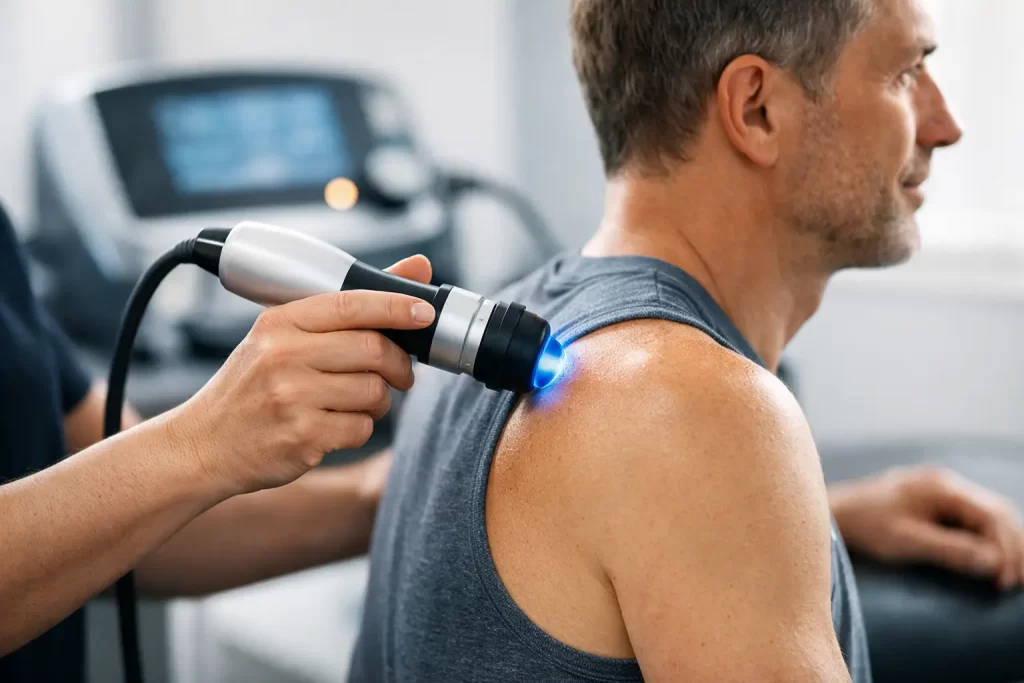
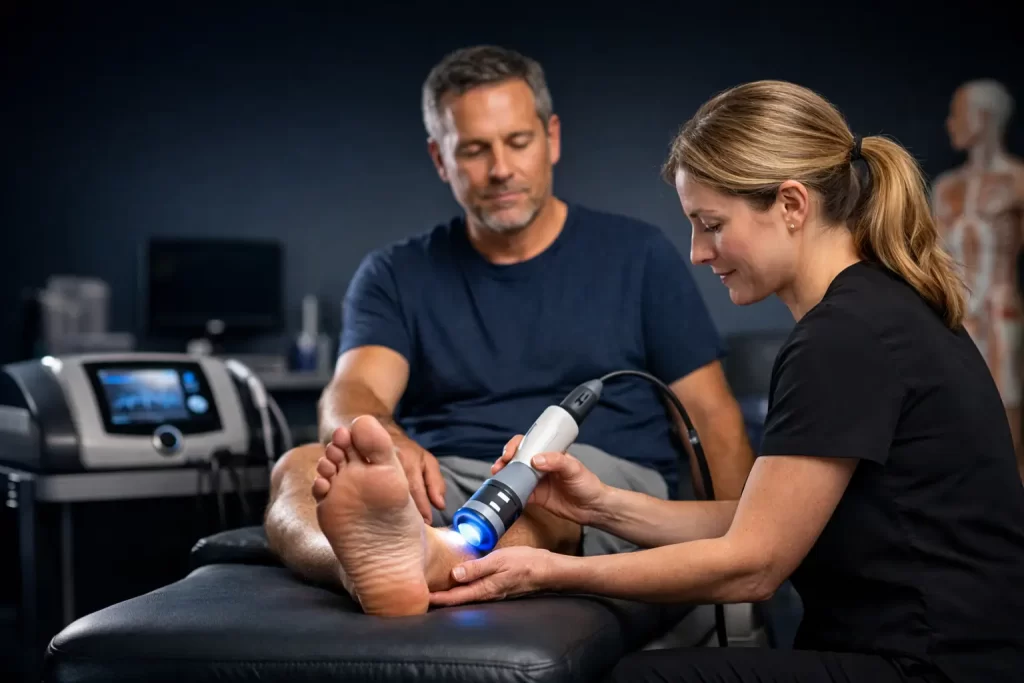
SoftWave therapy uses externally applied acoustic waves delivered through a handheld treatment device. The treatment is noninvasive, meaning it does not require incisions, injections, or anesthesia. During a session, a clinician applies gel to the treatment area and moves the applicator over selected locations.
Acoustic wave technologies have been used in different medical settings, and protocols can vary by device, condition, treatment area, and clinician. In a neuropathy-focused care plan, the goal is generally to support the local tissue environment and the body’s natural recovery processes. Some patients report changes in discomfort, sensitivity, or functional tolerance over a series of treatments, but individual responses vary.
SoftWave therapy is not a substitute for diagnosing the cause of neuropathy or managing conditions such as diabetes. It is also not a cure for nerve damage. For the right patient, it may be considered as one supportive component of a broader strategy guided by symptoms, examination findings, health history, and progress over time.
How SoftWave therapy for neuropathy may fit into care
The appeal of SoftWave therapy for neuropathy is practical. Many people want options that do not add another daily medication, do not require downtime, and can fit into a proactive plan for maintaining mobility. Sessions are typically performed in the office, and patients can usually return to their regular routine afterward.
Still, convenience is only one part of the decision. The more useful question is whether it fits your specific clinical picture. Someone with early tingling and metabolic risk factors may need a different plan than someone with numbness after chemotherapy, back-related nerve symptoms, or significant foot pain that affects balance.
At Divine Longevity and Wellness, Dr. Arshadi considers the full picture rather than treating a symptom in isolation. That may include reviewing your medical history, medications, lab work, nutrition, activity level, metabolic health, and the pattern of your symptoms. When appropriate, SoftWave can be paired with lifestyle guidance, targeted nutritional support, medical management, or referrals for additional evaluation.
What treatment feels like and what to expect
Most people feel rhythmic tapping or pulsing during SoftWave treatment. The sensation can range from mild to moderately intense depending on the area being treated and your sensitivity that day. Your clinician can adjust the approach based on your tolerance and feedback.
A treatment plan commonly involves multiple visits because tissue response and symptom changes are not always immediate. Some people notice a difference early, while others need more time to determine whether treatment is meaningful for them. The appropriate number and spacing of sessions should be individualized, not selected from a generic package.
Progress should be measured in ways that matter to your life. That may mean fewer sleep disruptions, greater walking tolerance, less sensitivity when wearing shoes, improved confidence with exercise, or a clearer understanding of what is and is not changing. If a therapy is not delivering enough value, the plan should be reassessed rather than continued automatically.
The benefits and limits to understand
For a qualified candidate, SoftWave therapy may offer a non-surgical, office-based option with no recovery period and a low-interruption fit for busy schedules. It may be particularly appealing for people who want to explore supportive options alongside medical care for contributing health conditions.
The limitations matter just as much. Neuropathy has many possible causes, and no single treatment is appropriate for every type or severity of symptoms. Research on acoustic wave approaches for neuropathy is still developing, and outcomes reported across studies and clinical settings can differ. A responsible plan should make room for uncertainty rather than overpromise what a device can do.
SoftWave may also be inappropriate or require additional precautions for some individuals. Your clinician should review your medical history, skin integrity, circulation concerns, implanted devices, medications, history of cancer, and other relevant factors before recommending treatment. If you have reduced sensation in your feet, routine skin and foot checks are especially important because injuries can be easier to miss.
When nerve symptoms need prompt medical attention
Do not wait for a wellness appointment if symptoms come on suddenly, worsen quickly, or occur with new weakness, difficulty walking, loss of bladder or bowel control, severe back pain, confusion, facial drooping, trouble speaking, chest pain, or shortness of breath. These symptoms may require urgent medical evaluation.
Likewise, contact a medical professional promptly for a foot wound, redness, swelling, drainage, fever, or color change, particularly if you have diabetes, poor circulation, or reduced sensation. Neuropathy can make it harder to recognize an injury early, and timely care can help prevent complications.
For symptoms that are ongoing but not urgent, a structured assessment is still worthwhile. Commonly useful questions include when symptoms began, whether they are symmetrical, what makes them better or worse, how they affect sleep and movement, and whether there have been recent medication, health, or lifestyle changes.
A more complete plan for protecting function
SoftWave is most useful when it is viewed as part of a larger effort to protect your function and quality of life. Depending on your needs, that may involve improving blood sugar regulation, correcting an identified deficiency, reviewing medications with the appropriate prescriber, building strength and balance, choosing supportive footwear, improving sleep, and reducing fall risk.
Small daily habits can matter. Check your feet regularly, keep skin clean and moisturized while avoiding lotion between the toes, wear well-fitting shoes, and avoid walking barefoot when sensation is reduced. If balance has changed, ask about safe exercise and whether physical therapy or a specialist evaluation could help.
The goal is not simply to chase a lower pain score. It is to create a plan that helps you stay engaged in the activities that support your independence, performance, and confidence.
If numbness, tingling, burning, or foot discomfort has started to limit your routine, a personalized consultation can help you understand your options. Dr. Arshadi can help determine whether SoftWave therapy belongs in your plan and what other steps may better support your long-term health and mobility.