When soreness lingers longer than it used to, a workout disrupts the rest of your week, or an old area of discomfort keeps limiting your routine, it is natural to look for more than another day off. Peptide therapy for recovery has become a frequent topic among active adults, busy professionals, and people focused on healthy aging. The right question is not whether peptides are a shortcut. It is whether a physician-guided plan makes sense for your health history, goals, and recovery capacity.
At Divine Longevity and Wellness, recovery is viewed as part of the complete picture. Sleep, nutrition, metabolic health, hormones, stress, training load, medications, medical conditions, and the nature of your discomfort can all influence how you feel and perform. Peptides may be considered in select situations, but they should never replace a thoughtful evaluation or the fundamentals that allow the body to adapt.
What Is Peptide Therapy for Recovery?
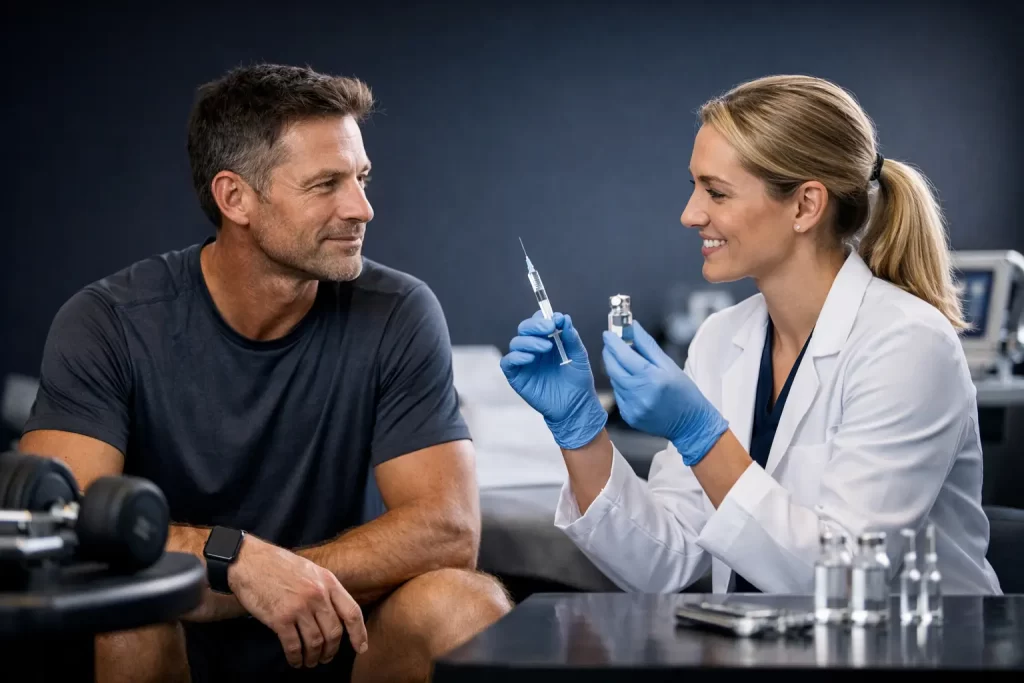
Peptides are short chains of amino acids. In the body, naturally occurring peptides help carry signals involved in many processes, including metabolism, immune activity, tissue signaling, appetite, and hormone regulation. In medical care, certain peptide-based medications are approved for specific conditions. Other peptides discussed in wellness and recovery settings may have more limited human evidence, may be used off-label, or may be unavailable as FDA-approved products for a particular purpose.
That distinction matters. “Peptide therapy” is not one treatment, one formula, or one predictable outcome. It is a broad term that can describe very different compounds, routes of administration, treatment goals, safety considerations, and levels of research.
For recovery-focused care, the goal may be to support a broader plan for physical function, exercise tolerance, body composition, sleep quality, or the ability to return to healthy movement after an appropriate medical assessment. Recommendations should be specific to the person in front of the provider, not based on a trending protocol online.
Why Recovery Can Feel Harder Than It Should
Recovery is not simply about muscle soreness after a challenging workout. For many adults, it is the gap between what they want to do and what their body seems ready to handle. You may be motivated to lift, play golf, run, travel, keep up with family, or simply move through your day without feeling depleted afterward.
Several factors can contribute to slower or inconsistent recovery. Inadequate protein intake, poor sleep, high stress, under-fueling, dehydration, and abrupt changes in training volume are common examples. So are untreated injuries, joint problems, nerve-related symptoms, medication effects, blood sugar concerns, anemia, thyroid issues, and changes in hormone status. No peptide can reliably compensate for an overlooked medical issue or a training plan that outpaces your current conditioning.
This is why a personalized approach is valuable. Before considering an advanced therapy, Dr. Arshadi may review your medical history, medications, goals, movement patterns, symptoms, and relevant lab work. Depending on your situation, the better first step may be improved nutrition, weight management, hormone evaluation, a modified exercise plan, physical therapy, pain-focused care, or more consistent sleep support.
Where Peptides May Fit in a Recovery Plan
For an appropriate candidate, peptide therapy may be one component of a physician-directed strategy. It is generally not a stand-alone answer, and it should not be marketed as a way to train harder without consequences.
A well-designed plan starts with a clear objective. Are you trying to support recovery from a demanding fitness routine? Maintain strength and mobility as you age? Address a persistent limitation after it has been properly evaluated? Improve the consistency of habits that support performance? The answers affect whether peptide therapy is relevant at all.
If a peptide-based option is considered, your provider should explain what is known, what remains uncertain, how it is intended to fit into your plan, and what progress would look like. Measurable checkpoints may include changes in symptoms, activity tolerance, sleep, strength, body composition, laboratory values when appropriate, and overall function. If a treatment is not helping, the plan should be reassessed rather than continued automatically.
Evidence and regulation deserve a clear conversation
Interest in peptides has grown faster than the research behind many recovery-oriented uses. Laboratory and animal research can be useful early evidence, but it does not establish that a therapy is safe or effective for people in every setting. Human studies may be small, limited to a different population, or focused on outcomes that do not match an individual patient’s goals.
It is also essential to understand the difference between FDA-approved medications and compounded preparations. A compounded medication is not the same as an FDA-approved drug, and the availability and regulatory status of particular peptide products can change. Quality sourcing, appropriate prescribing, informed consent, and medical monitoring are fundamental.
Be cautious of anyone who promises rapid healing, claims a peptide works for every injury, or dismisses the need for examination and diagnosis. Credible care makes room for uncertainty. It explains potential benefits and limitations in plain language and considers whether the possible upside justifies the cost, commitment, and risk for you.
Who Should Pause Before Considering Peptides?
A recovery concern sometimes needs conventional medical evaluation before any wellness treatment is discussed. New or severe pain, significant swelling, weakness, numbness, chest symptoms, shortness of breath, fever, unexplained weight loss, or a sudden loss of function should not be managed through a recovery protocol alone.
Peptide therapy also may not be suitable for everyone. Pregnancy, breastfeeding, active cancer treatment, certain endocrine conditions, complex medication regimens, allergies, and a history of particular health concerns can change the risk-benefit discussion. Competitive athletes should be especially careful. Some substances may be prohibited by athletic organizations, even if they are promoted in wellness settings.
The most useful consultation is one where you can be candid about your full health picture, including supplements, prior treatments, training habits, and what you hope will change. That information allows your provider to offer recommendations that are safer and more realistic.
Make the Fundamentals Do More Work
The most sophisticated recovery plan still rests on daily inputs. Recovery-supportive nutrition includes enough total calories for your activity level, adequate protein, fiber-rich foods, and hydration. The ideal amount varies by person, particularly when weight loss, metabolic health, kidney function, or gastrointestinal issues are part of the picture.
Sleep is equally influential. If you are routinely sleeping five or six fragmented hours, waking unrefreshed, or relying on stimulants to get through the afternoon, improving sleep may create more meaningful progress than adding another therapy. Stress management matters for the same reason. Your nervous system cannot stay in high alert indefinitely and recover optimally at the same time.
Training also needs to match your current baseline. More effort is not always better. Strategic rest days, gradual increases in volume, strength work that supports joint stability, and mobility that is relevant to your activities can help you build capacity without repeatedly exceeding it.
What a Personalized Recovery Consultation Should Include
An effective recovery conversation should feel more thorough than a quick recommendation. You deserve to understand why a therapy is being considered and what alternatives may be available.
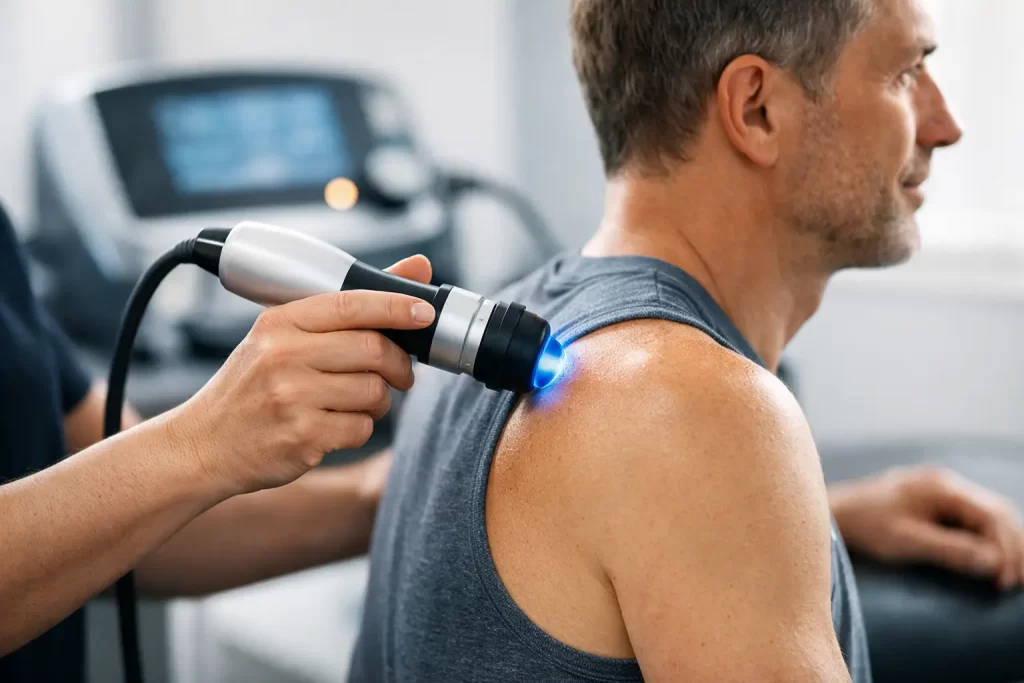
Dr. Arshadi begins by listening to what recovery means in your life. For one person, it may mean returning to tennis without days of lingering soreness. For another, it may mean preserving muscle, confidence, and independence through the decades ahead. From there, the plan can address the factors most likely to move the needle, whether that includes laboratory testing, lifestyle changes, targeted supplementation, hormone optimization, pain-management options, SoftWave therapy, peptide therapy, or a referral for further evaluation.
The goal is not to chase every new recovery trend. It is to use the right tools, at the right time, with medical oversight and a clear purpose. If you are in Chesterfield or the greater St. Louis area and feel your recovery is holding back your health or performance goals, schedule a consultation to discuss what a personalized plan could look like. Better recovery begins with understanding what your body needs next.