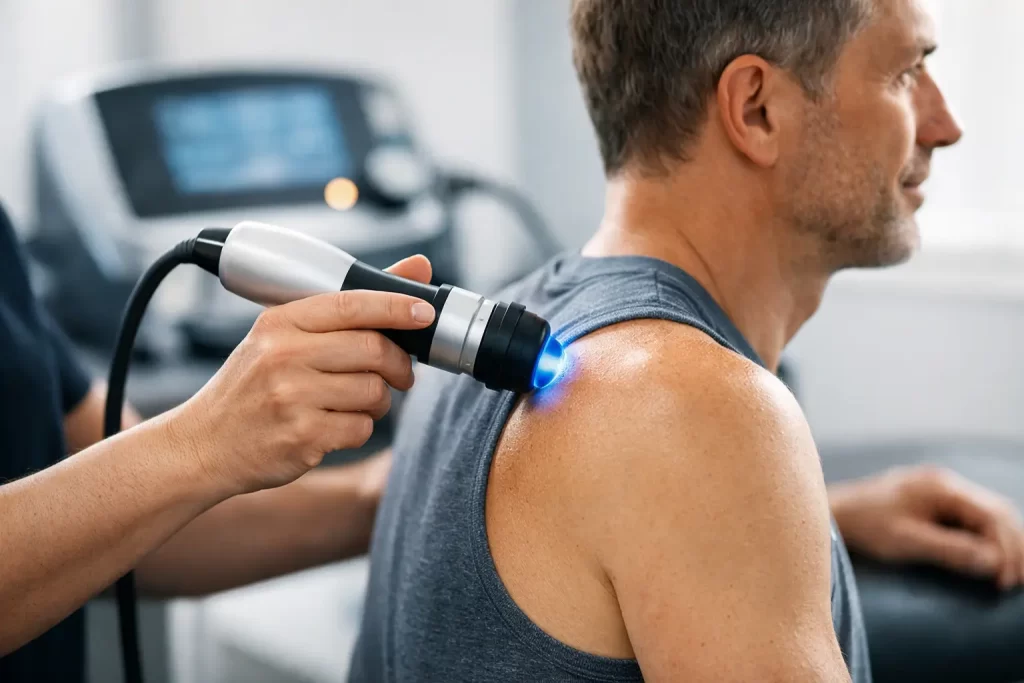
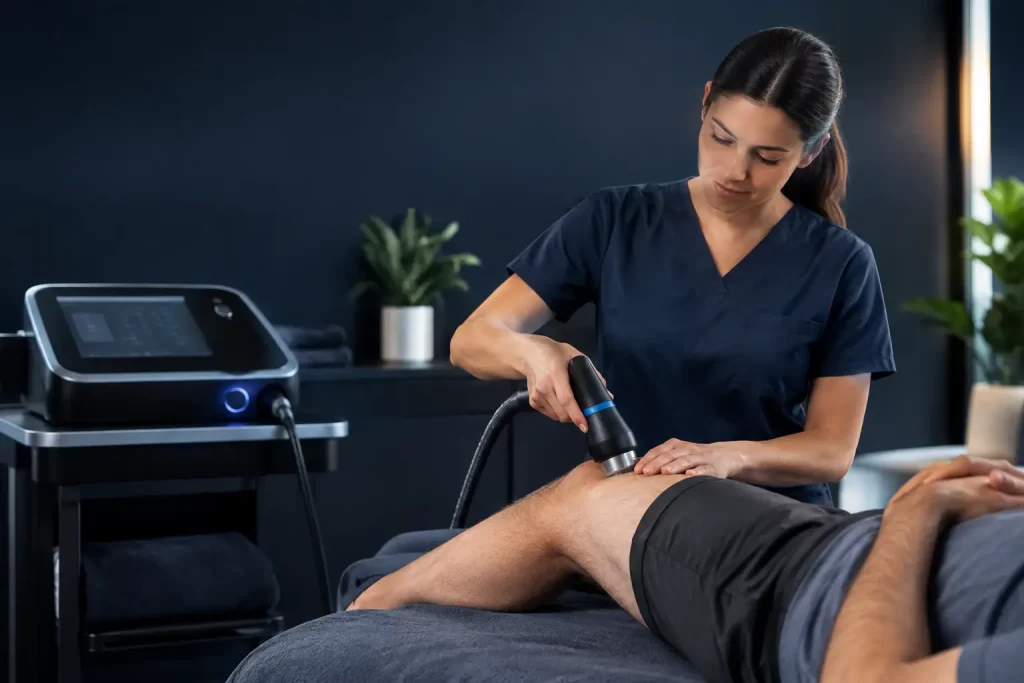
Persistent pain, stiffness, reduced mobility, or nerve-related discomfort can make even a full schedule feel smaller. Knowing how to prepare for SoftWave gives you the best chance to arrive informed, comfortable, and ready to focus on what matters: improving function and getting back to the activities you value.
SoftWave therapy uses acoustic waves delivered through a handheld device to targeted areas of the body. It is often considered as part of a personalized plan for musculoskeletal discomfort, soft-tissue concerns, and certain neuropathy-related symptoms. Your experience depends on the area being treated, your health history, your sensitivity, and the goals of your care plan. A thoughtful evaluation is the right starting point.
How to Prepare for SoftWave Therapy
Preparation is generally straightforward. You do not need an elaborate pre-treatment routine, but a few practical steps can help your visit run smoothly and make it easier for your provider to assess your response over time.
Start with a clear picture of your concern
Before your appointment, take a moment to notice what is limiting you. Is discomfort most noticeable when you first get out of bed, after a workout, during a long workday, or at night? Has it changed your walking pattern, sleep, exercise routine, or ability to use your hands comfortably?
Bring that context with you. It can be helpful to write down when symptoms began, what seems to aggravate or relieve them, past injuries or procedures, and treatments you have already tried. If you have relevant imaging reports, medical records, or a current medication list, bring them as well. This information helps Dr. Arshadi determine whether SoftWave is appropriate and how it may fit with other parts of your care.
Do not assume a familiar ache is something you should simply push through. At the same time, avoid self-diagnosing the source of pain or numbness based on online information. Similar symptoms can have different causes, and treatment recommendations should reflect your individual evaluation.
Wear clothing that allows easy access
Choose loose, comfortable clothing that makes the treatment area easy to reach. For a knee, hip, calf, or foot concern, shorts or flexible athletic pants are usually practical. For a shoulder, elbow, or upper-back area, a short-sleeve shirt or tank top may be more convenient.
You may be asked to expose only the area being treated, and privacy is always respected. Skip heavy lotions, oils, body makeup, or topical products on the planned treatment area on the day of your session. The applicator needs good contact with the skin, and a gel is typically used during treatment.
Eat and hydrate normally
Most people can eat and drink as they normally would before SoftWave therapy. Arriving well hydrated and without having skipped meals can simply help you feel more comfortable during your appointment, especially if you have had a busy day.
There is no need to overdo it. A balanced meal and your usual hydration routine are enough. If you are combining SoftWave with another service or have a condition that affects how you should eat, drink, or manage blood sugar before appointments, ask for individualized guidance in advance.
Review medications and health history honestly
One of the most valuable parts of preparing is sharing an accurate health history. Tell your provider about prescription medications, over-the-counter pain relievers, supplements, and recent changes in your health. This is especially important if you take blood thinners or have a history of bleeding concerns, changes in sensation, circulation issues, a pacemaker or implanted device, cancer treatment, pregnancy, recent surgery, or an active infection or open wound near the treatment area.
Do not stop, start, or change medications on your own to prepare for SoftWave. Some clinicians may recommend timing certain anti-inflammatory medications differently depending on your diagnosis and treatment plan, while others may not. The right approach depends on why you take the medication and what is being treated. Your medical guidance should always come first.
What to Expect During a SoftWave Session
A good first session begins with conversation, not equipment. Your provider should review your goals, examine the area of concern when appropriate, and explain what treatment may feel like. SoftWave therapy is non-surgical and does not require anesthesia, but the sensation can range from mild tapping or pulsing to noticeable intensity in a tender area.
Communication matters. Let your provider know if the sensation feels too strong, if you notice sharp pain, or if something feels different from what was explained. Treatment settings can be adjusted based on the treatment area and your tolerance. The goal is not to prove toughness. It is to deliver care thoughtfully and consistently.
Sessions are typically efficient, which makes SoftWave appealing for active adults and professionals who want to address discomfort without a lengthy recovery period. Still, efficiency should not be mistaken for a one-size-fits-all experience. The number of sessions, spacing, and combination with movement, rehabilitation, regenerative options, or lifestyle strategies vary based on your needs and response.
Plan Your Activity After Treatment
Many people return to normal daily activities after a session. Your specific recommendations may differ based on the area treated, the intensity of your symptoms, and your usual training or work demands. If you are preparing for a session before a major athletic event, a strenuous workout, or a physically demanding shift, mention it beforehand so your plan can account for it.
You may be encouraged to pay attention to how the area feels over the following days rather than judging the treatment by the first hour. Some people experience temporary tenderness, sensitivity, redness, or mild swelling in the treatment area. Others notice little immediate change. Neither response alone determines your eventual outcome.
Keep your post-treatment plan realistic. Continue the movement, strengthening, or recovery recommendations you have been given, but do not use a better day as a reason to abruptly overload an area that has been limiting you. Sustainable progress often comes from the combination of targeted treatment, appropriate activity, and consistent follow-up.
Questions Worth Asking Before Your Appointment
SoftWave is most useful when you understand the purpose behind it. Ask what the treatment is intended to address, what changes would be meaningful for you, how progress will be measured, and what alternatives or complementary therapies may be considered. You can also ask what sensations and short-term reactions are expected, when to contact the office, and whether your current exercise routine needs modification.
If your primary goal is improved performance, be specific. “I want to feel better” is a valid starting point, but “I want to walk nine holes without stopping,” “I want to return to strength training,” or “I want less discomfort during long drives” gives your care team a more useful benchmark. Clear goals make it easier to evaluate progress beyond a vague good or bad day.
Make Your Preparation Part of a Bigger Plan
SoftWave therapy is not a substitute for a complete evaluation when symptoms are new, worsening, severe, or accompanied by concerning changes such as sudden weakness, significant swelling, fever, or loss of function. Those situations deserve timely medical attention.
For ongoing concerns, preparation also means being open to the bigger picture. Pain and recovery can be influenced by training load, sleep, body composition, nutrition, stress, circulation, metabolic health, prior injuries, and movement patterns. A physician-directed plan can look beyond the treatment table and identify the factors that may be keeping you from performing at your best.
At Divine Longevity and Wellness in Chesterfield, Dr. Arshadi can help you determine whether SoftWave belongs in a personalized plan built around your function, comfort, and long-term goals. Come prepared with your questions, your health history, and a clear picture of what you want to do more confidently. That is where meaningful progress begins.