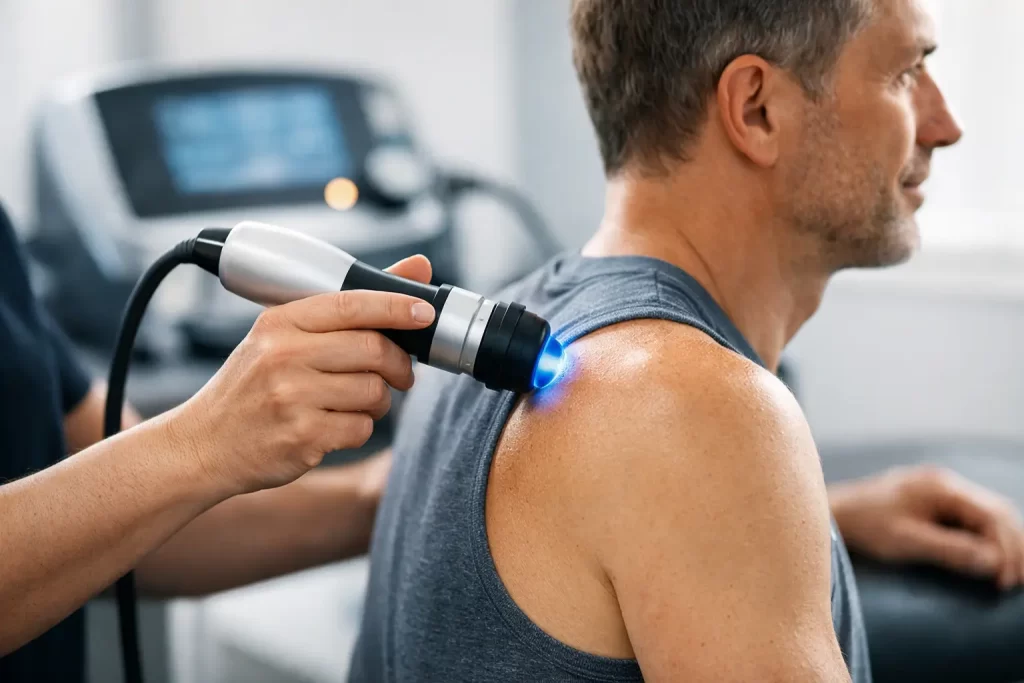
You can be consistent with nutrition, exercise, and a healthy routine and still feel that certain areas do not reflect the work you put in. A fuller lower abdomen, stubborn flanks, softening under the chin, or reduced definition after weight changes can be frustrating – not because you need perfection, but because you want your body to feel more aligned with your effort. This St Louis body contouring guide explains what non-surgical contouring can and cannot do, so you can make decisions with clarity.
What Body Contouring Is Designed to Address
Body contouring is a category of non-surgical aesthetic treatments designed to improve the appearance of specific areas of the body. Depending on the technology and treatment plan, it may help reduce the appearance of small, localized fat deposits, support firmer-looking skin, or improve visible muscle definition.
The key word is localized. Body contouring is generally not intended to replace medically supervised weight management, strength training, or nutrition. It is often most useful when your weight is relatively stable and you have an area that seems resistant to your usual healthy habits.
For many people, the concern is not simply “fat.” Changes in skin elasticity, muscle tone, posture, prior pregnancy, age, genetics, and shifts in body composition can all affect how an area looks. That is why a meaningful consultation should begin with the question, “What is actually contributing to this concern?” rather than immediately selecting a device or treatment package.
St Louis Body Contouring Guide: Start With Your Goal
A body contouring plan is more likely to feel worthwhile when the goal is specific. “I want to look better” is understandable, but it does not provide enough direction to choose the right approach. A clearer goal might be wanting a smoother abdominal profile in fitted clothing, more definition through the waist, improved confidence in sleeveless styles, or a more toned appearance after reaching a weight-loss milestone.
During a physician-directed evaluation, Dr. Arshadi can consider the area you want to treat alongside your health history, current weight trajectory, medications, skin quality, lifestyle, and expectations. This broader view matters. For example, a patient who is actively losing weight may benefit from a different timeline than someone whose weight has been stable for several months.
It also helps to distinguish between a visible change you want to make and the outcome you expect emotionally. Feeling more confident is a valuable goal. Expecting any aesthetic procedure to change every aspect of how you feel about your body can place too much pressure on a single treatment. The strongest plans are grounded in realistic physical goals and personal priorities.
The Three Concerns That Often Get Confused
Localized fat
Localized fat is the pinchable fullness that may remain in one area even when you are otherwise near your preferred weight. Non-surgical fat-reduction treatments are typically designed for these smaller pockets, such as the abdomen, flanks, thighs, upper arms, or beneath the chin, depending on the technology and individual assessment.
Results generally develop gradually rather than overnight. Your body needs time to respond to treatment and process the changes. The degree of improvement varies based on the area, the amount of tissue present, the treatment selected, and your individual biology.
Skin laxity
Loose or crepey-looking skin is a separate concern. It may be more noticeable after weight loss, pregnancy, or natural changes in collagen and elastin over time. Some energy-based treatments are intended to encourage gradual skin tightening, but they have limits. Mild to moderate laxity may respond differently than significant excess skin.
An honest plan addresses that distinction upfront. If the main issue is skin quality rather than localized fat, a fat-focused treatment alone may not deliver the change you have in mind.
Muscle tone and definition
Sometimes an area looks less defined because of reduced muscle tone or changes in muscle mass, not because of a large amount of excess fat. Muscle-stimulation technologies may be considered for appropriate candidates as part of a plan that also includes movement, protein intake, recovery, and a sustainable fitness routine.
This is where a whole-person approach can be especially valuable. Better contour is often connected to how you feel, train, sleep, and recover – not just what happens during an aesthetic appointment.
What a Personalized Treatment Plan May Include
Non-surgical body contouring is not one treatment. The available approaches use different mechanisms and may be selected alone or in combination. Depending on your needs, a plan may focus on reducing visible fullness, improving skin firmness, supporting muscle definition, or addressing body composition through medically supervised weight management before contouring is considered.
The right sequence matters. If weight management is a current priority, it can make sense to establish progress and stability first, then reassess areas that remain concerning. If your weight is stable and the issue is truly localized, body contouring may be a more direct next step.
Combination planning can be appropriate, but more treatment is not automatically better treatment. A premium experience should mean thoughtful recommendations, not a one-size-fits-all menu. You deserve to understand why a treatment is being suggested, what it is intended to improve, how many sessions may be appropriate, and when results can reasonably be assessed.
What to Expect From the Process
Most non-surgical contouring treatments are performed in the office and involve little to no interruption to a typical workday, although the recovery experience depends on the method used and the treatment area. You may experience temporary redness, tenderness, swelling, tightness, bruising, numbness, or sensitivity. Your care team should explain anticipated effects, aftercare, and the signs that warrant a call before treatment begins.
A responsible consultation also includes a review of candidacy. Certain health conditions, implanted devices, medications, recent procedures, pregnancy status, skin concerns, or prior surgeries may affect whether a treatment is advisable. This is not a formality. Safety and treatment selection are inseparable.
Before-and-after photographs can be useful for tracking visible changes over time, particularly because gradual results can be difficult to notice day to day. Consistent lighting, pose, clothing, and timing make those comparisons more meaningful than a quick mirror check after one appointment.
Questions Worth Asking Before You Commit
A good body contouring decision should not require guesswork. Ask what concern the recommended treatment is meant to address: fat, skin laxity, muscle tone, or a combination. Ask what type of result is realistic for your starting point, when you should expect to see changes, and whether multiple sessions may be recommended.
You should also ask what happens if the treatment is not the best fit for your concern. That conversation can save you time, expense, and disappointment. The answer may be to adjust the plan, focus first on body composition, or recognize that a non-surgical option has limitations for the result you want.
Finally, consider the quality of the medical relationship. Aesthetic care is personal. You should feel comfortable discussing your goals, asking direct questions, and receiving an explanation that is clear rather than rushed.
Supporting Your Results Beyond the Treatment Room
Body contouring works best as one part of a larger commitment to maintaining your health and physique. A stable weight, adequate protein, regular resistance training, hydration, quality sleep, and stress management can all support the habits that help you maintain your preferred body composition.
That does not mean you need a perfect routine to pursue treatment. It means your plan should fit your actual life. Busy professionals, parents, and active adults need strategies that can be sustained through travel, demanding schedules, changing seasons, and the normal unpredictability of life.
At Divine Longevity and Wellness in Chesterfield, body contouring can be approached within a broader physician-directed strategy that considers your aesthetic goals alongside metabolism, lifestyle, and long-term wellness. Dr. Arshadi can help you determine whether now is the right time, what your options may be, and what level of improvement is realistic for you.
Your body does not need to earn care by being perfect first. If you want a more defined, confident appearance and a plan built around your individual starting point, schedule a consultation and begin with a conversation that respects both your goals and your health.