
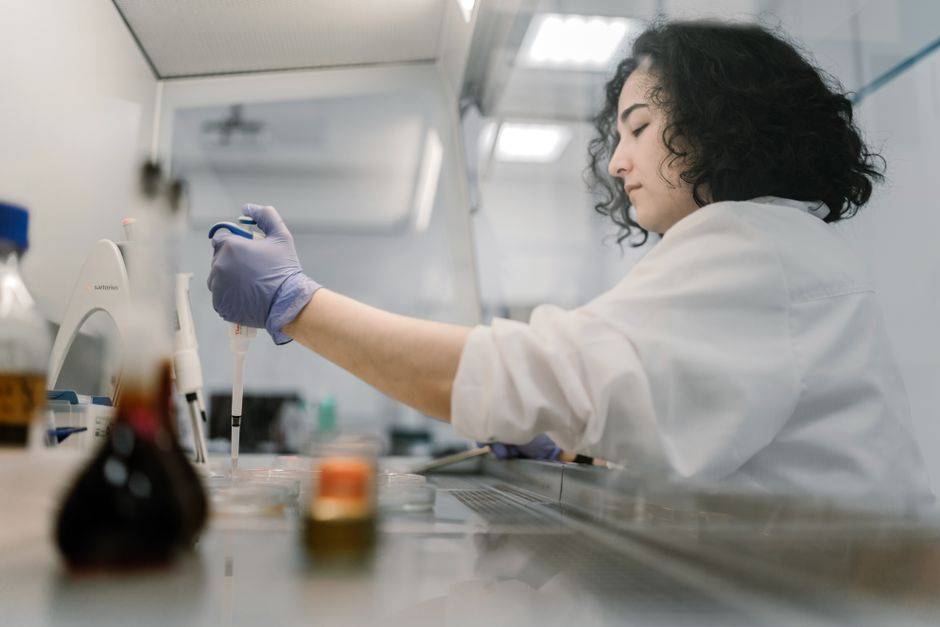
Regenerative medicine has moved out of the laboratory and into mainstream medical care. Among the terms patients encounter most often are stem cells and exosomes. They are closely related, but they are not the same. Stem cells are living cells with the capacity to support repair. Exosomes are tiny particles that carry messages between cells. Both have genuine promise in regenerative medicine, and both are being studied for a range of conditions.
For anyone considering regenerative therapy, the distinction is important. Stem cell treatment introduces living cells into the body. Exosome treatment delivers signaling molecules without introducing cells at all. Understanding how the two compare can help patients have more informed conversations with their physician.
What Are Stem Cells?
Stem cells are unspecialized cells that can develop into more specialized cell types. This capacity makes them valuable in regenerative medicine, where the goal is to support the body’s natural repair processes. Stem cell therapies are being explored for the treatment of various diseases, including haematological disease, immune disease, and other conditions.
In a treatment setting, stem cells are used as living cells. They are introduced into the body, where they interact with surrounding tissue and contribute to healing. Because they are living cells, their preparation and handling are more involved than the laboratory production of exosomes. This complexity is one reason researchers have looked for simpler ways to capture the benefits of stem cells.
What Are Exosomes?
Exosomes are nano-sized vesicles derived from cells. They are not cells themselves. Instead, they are small membrane-bound particles that carry regenerative signals from one cell to another. In regenerative medicine and therapeutic applications, exosomes are isolated from cell culture media. Stem cells are among the most commonly used cell sources.
What makes exosomes useful is what they carry. They deliver proteins and other molecular cargo that can influence the behavior of recipient cells. This cargo delivery allows exosomes to facilitate intercellular communication and tissue repair. Research has shown that exosomes hold much of the regenerative capacity of the stem cells from which they are derived.
Key Differences Between Stem Cells and Exosomes
The most important difference is that stem cells are living cells, while exosomes are nano-sized vesicles that contain no actual cells. This single distinction shapes how each therapy works, how it is produced, and how it is used in regenerative medicine.
| Feature | Stem Cells | Exosomes |
|---|---|---|
| What they are | Living cells | Nano-sized vesicles, not cells |
| Cell content | Contain actual cells | Contain no actual cells |
| How they work | Used as living cells in cell-based therapy | Deliver regenerative signals through cargo delivery |
| Therapy category | Cell-based therapy | Cell-free therapy |
| Laboratory production | More complex because cells are living | Can be easily produced in the laboratory setting |
Both approaches aim to support tissue repair, but they do so in different ways. Stem cell therapy is built around the cells themselves. Exosome therapy is built around the messages those cells produce.
How Exosomes Deliver Regenerative Signals
Exosomes are versatile tools in regenerative medicine because of their ability to carry cargo between cells. The cargo includes proteins and other molecules that can change how recipient cells behave. This process, known as cargo delivery, is central to the regenerative effects of exosomes.
Because exosomes are nano-sized, they can travel through the body with relative ease. They can be isolated from cell culture media for therapeutic use, and they can be easily produced in the laboratory setting. This accessibility has made exosomes a major focus of regenerative research.
Applications in Regenerative Medicine
Stem cell therapies are being explored for the treatment of various diseases, including haematological disease, immune disease, and others. Researchers continue to investigate how stem cells can help the body repair damaged tissues and restore function.
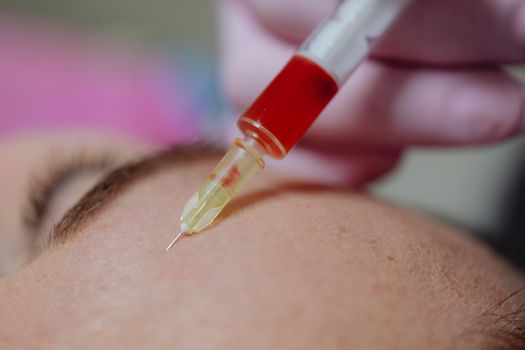
Exosomes have implications across several areas of regenerative medicine. Studies have looked at their potential for cardiac regeneration, tendon regeneration, wound healing, and incontinence. In aesthetic medicine, exosome-based products are formulated to absorb quickly into the skin, delivering the concentrated power of stem cell-derived signals. These products are often described as intensive dual-action complexes intended to support skin recovery.
Hair restoration is another area where stem cells and exosomes have drawn attention. Stem cells and exosomes hold genuine promise in regenerative medicine, but for hair restoration, that promise must be weighed against the evidence available today. Patients interested in these treatments should discuss expectations with a qualified physician.
Why Cell-Free Therapy Matters
One of the most significant developments in regenerative medicine is the move toward cell-free therapy. Stem cell-derived exosomes offer a method to provide cell-free regenerative medicine, which means the therapy delivers the benefits of stem cells without introducing living cells into the body.
This matters for a few reasons. Exosomes deliver regenerative signals without containing any actual cells, so the treatment is less complex than working with whole cells. They can be easily produced in the laboratory setting, which supports research and clinical use. And because exosomes hold much of the regenerative capacity of stem cells, they offer a potential alternative for applications where cell-based therapy may not be the best fit.
Regenerative Care at Divine Longevity and Wellness
Divine Longevity and Wellness is a physician-directed functional and preventive medicine practice in Chesterfield, Missouri. The practice, led by Dr. John Arshadi, MD, offers a blend of longevity medicine, hormone optimization, medical weight loss, regenerative therapies, and non-surgical aesthetic procedures. Regenerative therapies are offered as part of a broader approach that addresses the whole patient, not just a single symptom.
Patients considering stem cell or exosome therapy should understand that these treatments are not interchangeable. Stem cells are living cells used in cell-based therapy. Exosomes are nano-sized vesicles used in cell-free therapy. The right option depends on the condition being treated, the patient’s overall health, and the physician’s evaluation. Dr. John Arshadi and the team at Divine Longevity and Wellness can help patients understand their choices in the context of a complete wellness plan.
Frequently Asked Questions
Are exosomes the same as stem cells?
No. Exosomes are nano-sized vesicles derived from stem cells that deliver regenerative signals without containing any actual cells. Stem cells are living cells. Exosomes hold much of the regenerative capacity of stem cells, but they function as messengers rather than as cells themselves.
Which is better for regenerative therapy, stem cells or exosomes?
The answer depends on the condition and the treatment goal. Stem cell therapies are being explored for conditions such as haematological disease and immune disease. Exosomes have shown promise for cardiac regeneration, tendon regeneration, wound healing, and incontinence. A physician should evaluate the patient’s needs before recommending either approach.
How are exosomes produced for therapeutic use?
In regenerative medicine and therapeutic applications, exosomes are isolated from cell culture media. Stem cells are among the most commonly used cell sources. Exosomes can be easily produced in the laboratory setting, which has made them an accessible focus for regenerative research and therapy development.
Do exosomes contain stem cells?
No. Exosomes do not contain any actual cells. They are nano-sized particles that carry regenerative signals from one cell to another. This is why exosome therapy is described as cell-free regenerative medicine. It is also why researchers see exosomes as a potential alternative to stem cell therapy in some situations.